7 Common Homeowners Insurance Exclusions in New York
See How We're Different
or call us: 845-942-7200
Your homeowners insurance policy probably feels like a safety net, right up until you file a claim and discover it doesn't cover what just happened. New York homeowners have watched average premiums climb more than $1,000 since 2020, a trend that's left nearly five percent of policyholders uninsured or underinsured. You're paying more, but the gaps in your coverage haven't shrunk. Understanding what homeowners insurance doesn't cover in New York is just as critical as knowing what it does. These seven common exclusions catch people off guard every year, and some of them can cost you tens of thousands of dollars in a single incident.
Understanding Deductible Basics for New York Homeowners
A standard HO-3 policy in New York covers your dwelling, personal property, liability, and loss of use if your home becomes uninhabitable. It protects against "named perils" for personal belongings and "open perils" for the structure itself, meaning the building is covered unless the cause of damage is specifically excluded. That distinction matters more than most people realize.
New York's Department of Financial Services regulates homeowners insurance in the state, and insurers must file their policy forms for approval. But regulation doesn't mean every risk is covered. Standard policies are designed around common risks like fire, windstorm, hail, and theft. They're not designed to be all-encompassing, and the exclusions list is where that becomes painfully clear.
The cost of a standard policy in New York varies wildly by location. A homeowner in Brooklyn might pay $2,800 a year while someone in Syracuse pays $1,400 for comparable coverage. Regardless of what you're paying, the exclusions remain largely the same across carriers. Knowing them puts you in a position to buy supplemental coverage before disaster strikes, not after.
7 Common Exclusions Every New Yorker Should Know
These are the gaps that generate the most surprise, frustration, and financial pain for New York homeowners. Each one represents a real scenario that your standard policy won't touch.
Flooding and Storm Surges
Your homeowners policy does not cover flood damage. Period. This is the exclusion that devastates the most New Yorkers, especially in coastal areas of Long Island, Staten Island, and lower Manhattan. Hurricane Sandy alone caused over $19 billion in damage across the state, and many homeowners learned the hard way that wind damage and flood damage are treated very differently by insurers.
Flood insurance is a separate policy, typically purchased through the National Flood Insurance Program or a private carrier. If you're in a FEMA-designated flood zone, your mortgage lender probably requires it. But even if you're not in a high-risk zone, roughly 25% of all flood claims come from moderate-to-low risk areas. Storm surges, heavy rainfall, and rapid snowmelt can send water into your basement whether you live near the coast or not.
Earthquakes and Ground Movement
New York isn't California, but it's not immune to seismic activity either. The state sits near several active fault lines, and small earthquakes happen more often than most residents think. A magnitude 5.0 quake struck parts of the Northeast in 2024, rattling homes from New Jersey to Connecticut.
Your standard policy excludes earthquake damage, along with other ground movement like sinkholes and landslides. If your foundation cracks or your chimney collapses due to seismic activity, you'll need a separate earthquake endorsement or standalone policy to get reimbursed. These endorsements are relatively inexpensive in New York, often under $200 a year, because the risk is considered low. That's exactly why it's worth buying.
Sewer Backups and Sump Pump Failure
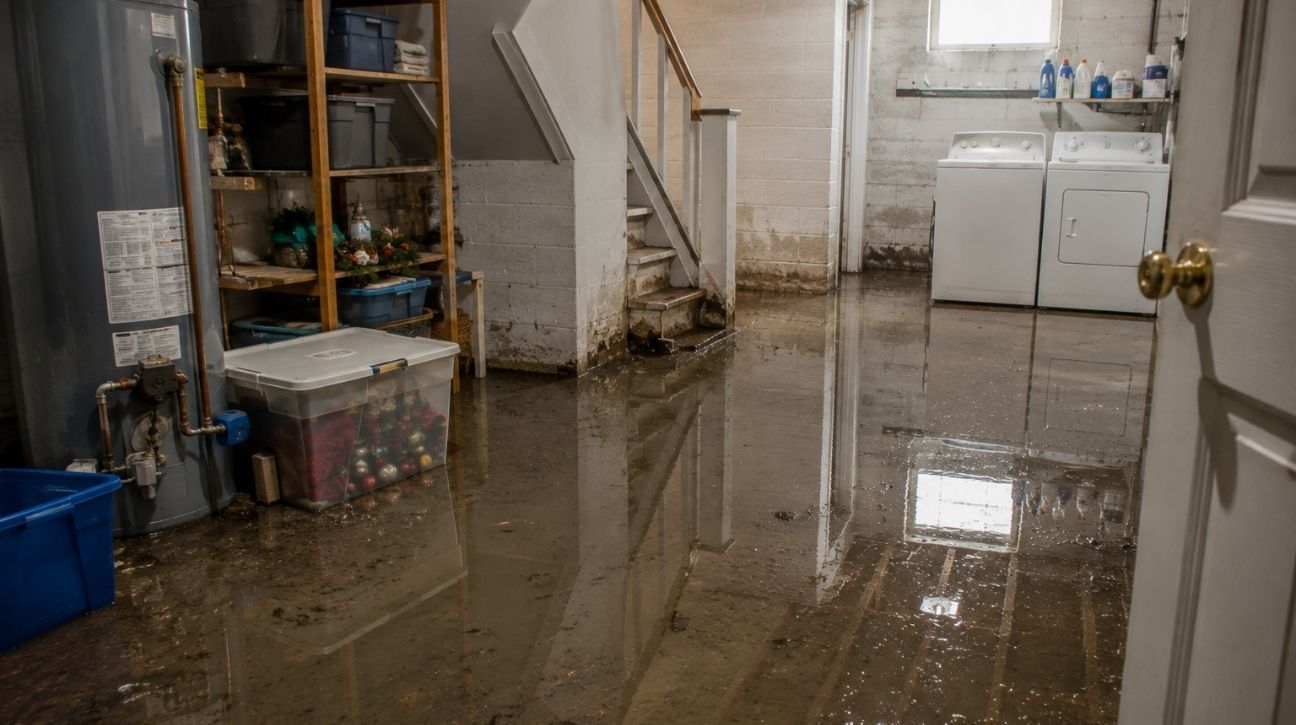
Here's one that hits close to home for anyone with a finished basement. When a municipal sewer line backs up into your home, or your sump pump fails during a heavy rainstorm, the resulting damage isn't covered under a standard policy. The mess is yours to clean up, literally and financially.
Sewer backup endorsements are available from most New York insurers, and they typically cost between $40 and $100 per year. Given that a single backup event can cause $10,000 or more in damage to flooring, drywall, and personal property, this is one of the most cost-effective add-ons you can buy. Ask your agent about it specifically, because it's rarely included by default.
Neglect and Lack of Maintenance
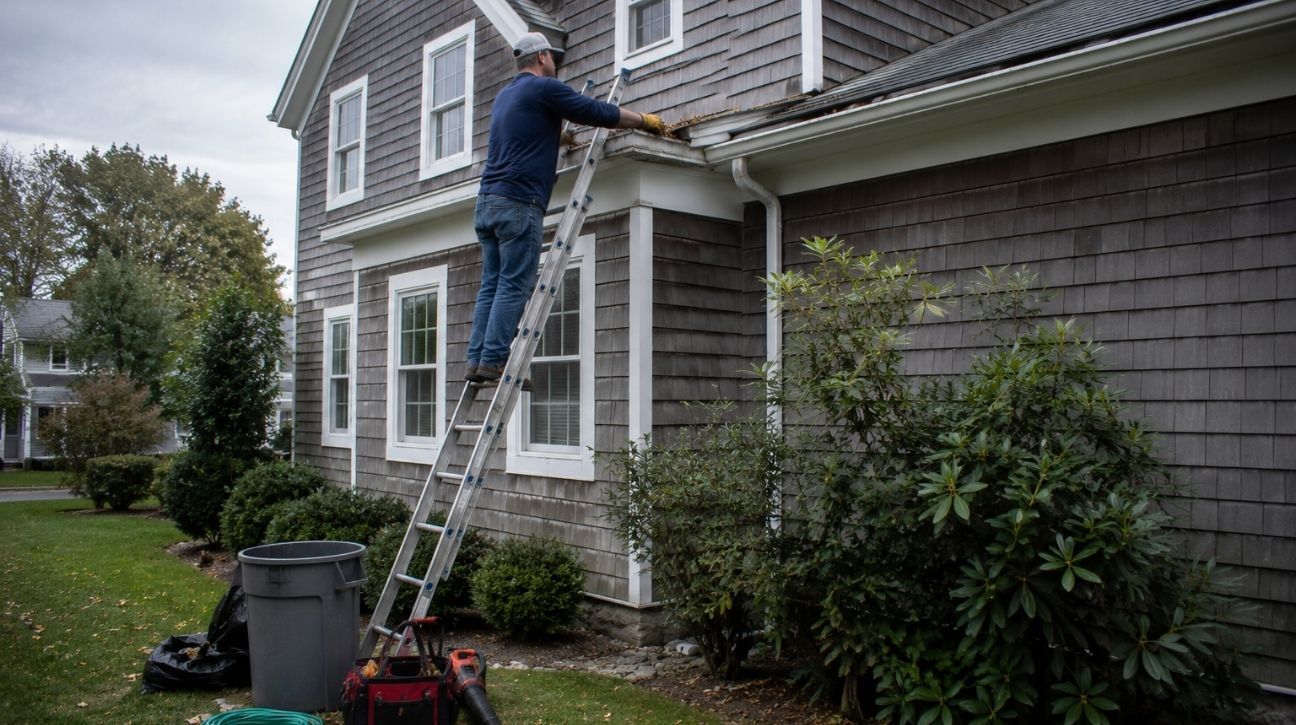
Insurance covers sudden and accidental damage, not gradual deterioration. If your roof leaks because you haven't replaced missing shingles in three years, your insurer will deny that claim. The same goes for plumbing that corrodes over time, peeling paint that leads to wood rot, or a deck that collapses because it was never properly maintained.
This exclusion is broader than most homeowners expect. Insurers regularly investigate claims to determine whether the damage resulted from a sudden event or long-term neglect. A pipe that bursts during a cold snap is typically covered. A pipe that's been slowly leaking behind your wall for six months is not. Documentation matters here: keep records of home maintenance, inspections, and repairs.
Mold and Fungi Growth
Mold is a frequent source of coverage disputes in New York, and most standard policies either exclude it entirely or cap coverage at a very low limit, often $5,000 to $10,000. Professional mold remediation for a single-family home can easily run $15,000 to $30,000 depending on the extent of the problem.
The key distinction is causation. If mold develops because a covered peril caused water damage, say a burst pipe, you might get partial coverage for the mold remediation as part of that claim. But if mold grows because of humidity, poor ventilation, or a slow leak you didn't address, you're on your own. Some carriers offer higher mold coverage limits as an endorsement, but they're not always easy to find.
Pest Infestations and Damage
Termites, carpenter ants, rodents, and other pests can cause serious structural damage to your home. None of it is covered by a standard homeowners policy. Insurers classify pest damage as a maintenance issue, reasoning that regular inspections and preventive treatment would catch the problem early.
This exclusion applies even when the damage is hidden. If termites have been eating through your floor joists for years without any visible signs, you're still responsible for the full cost of repair. In New York, termite damage is most common on Long Island and in the Hudson Valley, where soil conditions favor subterranean colonies. Annual termite inspections cost around $75 to $150, a fraction of what you'd pay for structural repairs.
Intentional Acts and Criminal Behavior
No homeowners policy covers damage you cause on purpose. If you intentionally set a fire, vandalize your own property, or commit any criminal act that results in damage, your claim will be denied. This might seem obvious, but the exclusion extends to situations that aren't always clear-cut.
For example, if a member of your household intentionally damages the property, the entire claim can be denied, even for innocent co-insureds in some cases. New York courts have addressed this issue in various rulings, and the state's Department of Financial Services has issued guidance on how these exclusions interact with liability coverage. If you're in a complicated household situation, it's worth discussing this with your agent.
Standard Coverage vs. Optional Endorsements
The gap between what's excluded and what you can actually insure is smaller than you might think. Most of the exclusions listed above have corresponding endorsements or standalone policies available in New York.
| Risk | Standard Policy | Optional Coverage | Typical Annual Cost |
|---|---|---|---|
| Flood | Not covered | NFIP or private flood policy | $500 - $3,000+ |
| Earthquake | Not covered | Earthquake endorsement | $100 - $200 |
| Sewer backup | Not covered | Sewer/drain endorsement | $40 - $100 |
| Mold (above limit) | Capped at $5K-$10K | Higher mold limits endorsement | $50 - $150 |
| Scheduled jewelry/art | Limited sub-limits | Scheduled personal property rider | Varies by value |
The cost of these endorsements is almost always less than the cost of a single uncovered claim. That said, not every endorsement is necessary for every homeowner. Your risk profile depends on your location, your home's age, and the specific hazards in your area.
Comparing New York Coverage Options
New York City homeowners face a different risk profile than those in the Capital Region or Western New York. Coastal properties need flood coverage as a priority. Older homes in upstate cities like Rochester or Buffalo often deal with sewer backup issues due to aging municipal infrastructure. Homes built before 1980 may have higher mold risk due to older ventilation systems and building materials.
When you're shopping for coverage, don't just compare premiums. Compare exclusion lists and available endorsements side by side. A policy that's $200 cheaper per year but doesn't offer a sewer backup endorsement isn't saving you money if your basement floods. Get quotes from at least three carriers and ask each one specifically about the exclusions that matter most for your property.
Common Questions About NY Home Insurance
Does my insurance cover water in my basement after a big storm?
It depends on the source. If wind drove rain through a broken window, that's likely covered. If groundwater seeped in or the sewer backed up, those are separate exclusions requiring separate policies or endorsements.
Am I covered if a pipe bursts because I didn't leave the heat on?
Usually not. Most policies require you to maintain heat in the home during winter or shut off and drain the water supply. Failing to do so is considered neglect, and the resulting damage will likely be denied.
How do I get coverage for earthquakes in New York?
Ask your current insurer about an earthquake endorsement. Most New York carriers offer them, and they're affordable given the state's moderate seismic risk. Standalone earthquake policies are also available through specialty carriers.
Will my policy pay for termite damage if I find it during a renovation?
No. Pest damage is excluded regardless of when you discover it. The cost of repair falls entirely on you, which is why annual inspections are so important.
Can I add coverage for high-value items like jewelry or art?
Yes. Standard policies have sub-limits on valuables, often $1,500 for jewelry and $2,500 for art. A scheduled personal property rider lets you insure specific items at their appraised value with no deductible.
Making the Right Choice for Your Property
Knowing what homeowners insurance won't cover in New York is half the battle. The other half is acting on that knowledge before you need to file a claim. Review your policy's exclusion section, not just the declarations page. Talk to your agent about which endorsements make sense for your specific home, neighborhood, and risk factors.
Don't assume your policy covers everything just because your premiums keep going up. The most expensive mistake a New York homeowner can make is discovering an exclusion after the damage is already done. Pull out your policy today, read the exclusions page, and have a real conversation with your insurance agent about closing those gaps. Your future self will thank you.
Recent Posts