Running a towing operation in New York is expensive enough before you factor in insurance. Between congested city streets, high litigation rates, and the sheer cost of doing business in the state, your premiums can eat into margins fast. A single tow truck in New York can cost you $10,000 or more per year to insure, and that number climbs quickly depending on where you operate and what kind of work you do. Whether you're running a flatbed out of Buffalo or managing a fleet of heavy-duty wreckers in the five boroughs, understanding your coverage options and what drives your rates is essential to staying profitable in 2026. New York's insurance environment has shifted this year thanks to tort reform legislation and new DFS guidelines, making it a good time to reassess your policies. This guide breaks down the coverage types you need, the state and city regulations you must follow, projected premium costs by region, and practical strategies for keeping those costs under control.
Understanding Tow Truck Insurance Requirements in New York
New York imposes some of the strictest commercial vehicle insurance requirements in the country. The state's no-fault system means every vehicle on the road must carry Personal Injury Protection, and tow trucks are no exception. But that's just the starting point. Towing operators face a layered set of mandates from both state agencies and, if you work in New York City, from the Department of Consumer and Worker Protection.
Your insurance must be active before you can register your truck, and any lapse in coverage triggers automatic DMV notification. That can mean suspended plates, fines, and lost contracts with motor clubs or municipalities. The financial consequences of non-compliance are steep, so getting this right from day one matters.
New York State Minimum Liability Limits
New York requires all commercial vehicles, including tow trucks, to carry minimum bodily injury liability of $25,000 per person and $50,000 per accident, plus $10,000 in property damage liability. You also need $50,000 in no-fault (PIP) coverage and supplementary uninsured/underinsured motorist coverage.
These are floors, not recommendations. Most towing contracts, especially those with AAA or municipal agencies, require limits well above the state minimum. A $1 million combined single limit policy is standard in the industry, and many fleet owners carry $2 million or more. Given that social inflation continues to push fleet insurance costs higher, carrying only the minimum is a risky bet.
NYC Department of Consumer Affairs Regulations
If you operate within the five boroughs, you're subject to additional licensing through the NYC Department of Consumer and Worker Protection (DCWP). The city requires a tow truck license for each vehicle and an operator license for each driver. Both require proof of insurance that meets or exceeds city-specific thresholds.
NYC also mandates that towing companies maintain a surety bond, and your insurance certificates must name the city as an additional insured. Failure to comply can result in license revocation and fines up to $10,000 per violation. These city-level requirements are separate from your state obligations, so you need policies that satisfy both.

Core Coverage Types for NY Towing Businesses
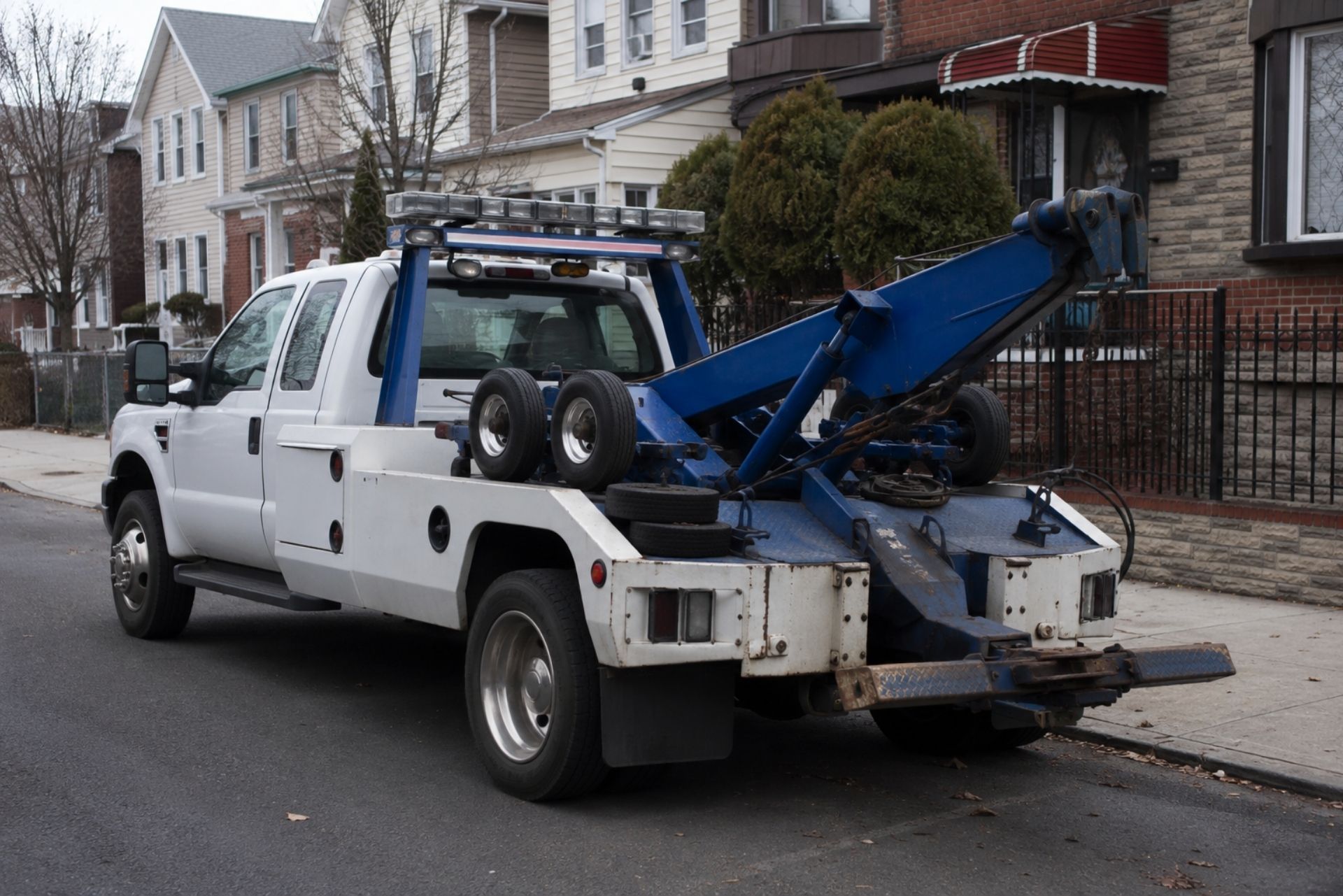
A standard commercial auto policy won't cover everything a towing operation faces. You need specialized coverage designed for the unique risks of hauling other people's vehicles, storing them on your lot, and the liability that comes with roadside service work.
On-Hook and Garagekeepers Legal Liability
On-hook coverage protects vehicles while they're being towed. If a car falls off your flatbed or gets damaged during transport, your standard auto policy won't pay for it. On-hook coverage fills that gap, and it's one of the most frequently used coverages in the towing industry.
Garagekeepers legal liability covers vehicles stored on your property. If a customer's car gets stolen from your lot, damaged by fire, or hit by another vehicle while in your care, this policy responds. Specialized towing insurance programs typically bundle these two coverages because most towing companies need both. Without garagekeepers coverage, you're personally liable for every vehicle sitting on your lot.
General Liability vs. Professional Liability
General liability covers third-party bodily injury and property damage that occurs on your premises or as a result of your operations. If a customer trips on your lot or your driver damages a fence while backing up, GL responds.
Professional liability (sometimes called errors and omissions) covers claims arising from mistakes in your professional services. If you tow a vehicle to the wrong location, fail to secure a vehicle properly, or make an error that causes financial loss to a customer, professional liability is what protects you. Many towing operators skip this coverage, but it's increasingly relevant as customers file more sophisticated claims.
Comparison of Standard vs. Enhanced Coverage Packages
Choosing between a basic policy and a more comprehensive package comes down to risk tolerance and the size of your operation. Here's how they typically compare:
| Coverage Feature | Standard Package | Enhanced Package |
|---|---|---|
| Liability Limits | $500K CSL | $1M-$2M CSL |
| On-Hook Coverage | $50K per vehicle | $100K-$150K per vehicle |
| Garagekeepers | $100K aggregate | $250K-$500K aggregate |
| General Liability | $1M per occurrence | $2M per occurrence |
| Roadside Equipment | Not included | Included |
| Hired/Non-Owned Auto | Not included | Included |
| Pollution Liability | Not included | Optional add-on |
Smaller operators with one or two trucks and no storage lot can often get by with a standard package. But if you're storing vehicles, running heavy-duty recovery, or working municipal contracts, enhanced coverage isn't optional. One bad claim on an uninsured exposure can close a business overnight.
Projected 2026 Tow Truck Insurance Rates in New York
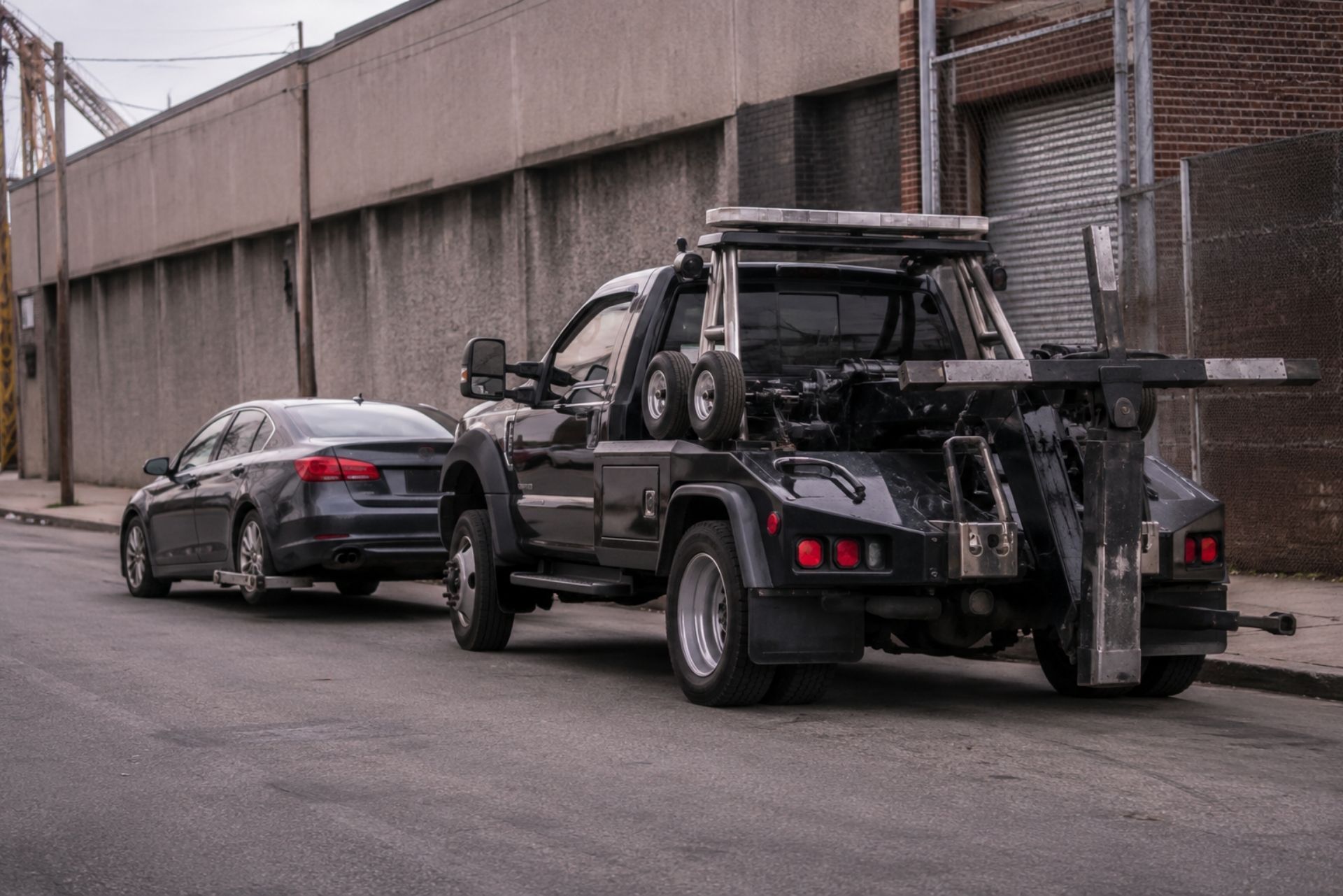
Tow truck insurance rates in New York for 2026 reflect a mix of upward and downward pressures. On one hand, medical costs and litigation expenses keep climbing. On the other, New York's sweeping auto insurance tort reforms enacted this year aim to reduce fraudulent claims and cap certain damages, which should eventually ease premiums.
The average annual premium for a single tow truck in New York starts around $10,000, but that figure varies dramatically based on location, truck type, and claims history. A heavy-duty wrecker in Manhattan can easily cost $18,000 to $25,000 per year to insure.
Factors Influencing 2026 Premium Increases
Several forces are shaping your 2026 rates. Nuclear verdicts, where juries award multi-million-dollar damages in commercial vehicle cases, continue to affect how insurers price risk for any truck on the road. New York's litigation environment is especially aggressive.
The DFS has adjusted rate filing procedures to account for the new tort reforms, but insurers are still calibrating. Driver shortages mean some operators hire less experienced drivers, which pushes up risk profiles. And the cost of repairing modern vehicles, packed with sensors and cameras, keeps climbing. All of these factors feed into your premium calculation.
Average Cost Estimates by Region (NYC vs. Upstate)
Geography is one of the biggest premium drivers in New York. Here's what you can expect in 2026:
- NYC (all five boroughs): $14,000 to $25,000 per truck annually, depending on truck class and coverage limits
- Long Island and Westchester: $11,000 to $18,000 per truck
- Upstate metro areas (Albany, Syracuse, Rochester): $8,000 to $14,000 per truck
- Rural upstate: $6,500 to $10,000 per truck
These ranges assume a clean driving record, three or more years in business, and standard coverage limits. New operators or those with claims history will pay significantly more. NYC's density, traffic volume, and
higher frequency of claims make it the most expensive market in the state by a wide margin.
You can't control where you operate, but you can control several factors that directly affect your rates. Start with your drivers. Requiring clean MVRs and completing a New York-approved defensive driving course can save you 5% to 10% on your commercial auto premium.
Installing dash cameras and GPS tracking on every truck shows insurers you're serious about risk management. Some carriers offer discounts of 8% to 15% for telematics programs that monitor speed, braking, and idle time. Bundling your commercial auto, general liability, and garagekeepers policies with a single carrier often yields a 10% to 20% package discount.
Raise your deductibles if your cash flow allows it. Moving from a $1,000 to a $2,500 deductible can reduce your premium by 10% or more. And shop your coverage every two to three years. Loyalty to one carrier rarely pays off in commercial insurance. Work with a broker who specializes in
New York towing and recovery insurance rather than a generalist who writes one tow truck policy a year.
Common Questions About NY Towing Insurance
FAQs: Costs, Claims, and Compliance
How much does tow truck insurance cost in New York per month? Expect roughly $800 to $2,000 per month per truck, depending on your location and coverage. NYC operators fall at the higher end of that range.
Does my personal auto policy cover my tow truck? No. Personal auto policies exclude commercial towing operations entirely. You need a commercial auto policy with towing-specific endorsements.
What happens if I let my tow truck insurance lapse? The DMV is notified automatically. Your plates can be suspended, and you'll face reinstatement fees plus higher premiums when you re-insure.
Do I need on-hook coverage if I only do roadside assistance? Yes. Any time a customer's vehicle is attached to your truck, you're liable for damage to it. On-hook coverage is essential even for light-duty roadside work.
Will New York's 2026 tort reforms lower my premiums? The reforms target fraud and adjust serious injury thresholds, which should reduce claim costs over time. Most insurers haven't fully passed savings through yet, but rate stabilization is expected by late 2026 or early 2027.
Can I insure a mixed fleet of flatbeds and wheel-lifts on one policy? Yes. Most commercial auto policies allow you to schedule multiple vehicle types. Each truck is rated individually based on its weight class and use.
Making the Right Choice for Your Fleet
Getting tow truck insurance right in New York isn't just about meeting minimums. It's about protecting your business from the specific risks you face every day: damaged customer vehicles, lot liability, aggressive litigation, and premiums that can spiral if you're not proactive.
The 2026 market offers some reasons for cautious optimism. Tort reforms should start bending the cost curve, and insurers are competing for well-run accounts. But those benefits only reach operators who actively manage their risk profile, maintain clean records, and work with brokers who understand the towing industry.
Review your current policy against the coverage types outlined here. If you're carrying only state minimums or missing on-hook and garagekeepers coverage, you're exposed. Get quotes from at least three carriers, compare not just price but coverage terms, and make sure your policy reflects the actual work your trucks do. Your insurance is the safety net between a bad day and a closed business. Treat it accordingly.
ABOUT THE AUTHOR:
TAYLOR RICHARDSON
Taylor Richardson is the founder and CEO of 5M Insurance. With a focus on real estate risk management, Taylor helps investors and property managers nationwide secure smarter, scalable coverage solutions—without the headaches of traditional insurance brokers.
Contact Us
Comprehensive Coverage for Businesses of All Sizes
Protecting Your Business, Securing Your Future
General Liability Insurance
Protection against lawsuits and third-party claims.

Workers Comp Insurance
Required protection for employees in case of injury or illness.
Commercial Property Insurance
Coverage for buildings, equipment, and business assets.
Commercial Auto Insurance
Coverage for company vehicles and fleet operations.
Commercial Umbrella Insurance
Protection against errors, omissions, and negligence claims.
Business Owner's Policy
A bundled policy combining essential business coverages.
Personalized Insurance for Every Stage of Life
Protect What Matters Most with Comprehensive Coverage
Jewelry Insurance
Specialized protection for valuable items like engagement rings, watches, and heirlooms.
Pet Insurance
Financial protection for veterinary care and unexpected pet health expenses.
Specialized Insurance for Your Business Needs
Serving the Industries That Drive
New York & New Jersey






What Our Clients Say
Trusted by Businesses & Families Across New York & New Jersey
Frequently Asked Questions
Get Answers to Your Insurance Questions
We understand that insurance can be complex. Here are answers to some of the most common questions our clients ask. If you need more information, our team is always here to help.
- Still have questions?
How do I know what coverage I need?
Choosing the right insurance starts with understanding your risks. For personal insurance, consider factors like your home’s value, your vehicle, and your financial responsibilities. Homeowners may need additional protection for floods or valuable belongings, while drivers should evaluate coverage limits based on their assets.
For businesses, the right coverage depends on the industry, number of employees, and liability risks. General liability is essential for most businesses, but some may need property, workers’ compensation, or business owner’s policies. Our team can assess your needs and guide you to the best options.
What factors affect my insurance rate?
Insurance rates are influenced by multiple factors. For auto policies, your driving history, vehicle type, and location play a major role. Home insurance costs depend on your home’s value, construction type, and potential risks like flooding or fire hazards.
For business insurance, rates vary based on the industry, size, claims history, and coverage limits. High-risk industries may require specialized policies, while businesses with strong safety measures and claims-free histories can qualify for better rates. Our agents help find discounts and cost-saving opportunities.
Why should I work with an independent insurance agency?
Unlike captive agents who represent a single insurance company, independent agencies like Joyce Insurance Agency work with multiple carriers to find the best coverage for your needs. This means you get more choices, competitive rates, and a policy that truly fits your situation.
We take the time to understand your needs, compare options, and provide expert advice. Whether you're insuring your home, car, or business, our priority is finding you the best protection at a great value.
How quickly can I get insured?
The time it takes to secure a policy depends on the type of insurance. Auto and home policies can often be issued the same day, while business insurance may take longer, especially for specialized coverage. Workers’ compensation and commercial policies may require underwriting approval, which can extend the timeline.
We prioritize efficiency and make the process as smooth as possible. Once we understand your needs, we work quickly to get you insured with minimal hassle.
What should I do if I need to file a claim?
If you need to file a claim, contact us as soon as possible. We’ll guide you through the process and ensure you have everything needed to submit your claim correctly. Gathering necessary documentation, such as photos, receipts, or witness statements, can help speed up the process.
We work directly with your insurance provider to streamline communication and advocate on your behalf. Our goal is to make sure your claim is handled quickly and fairly so you can recover without unnecessary stress.
How can I lower my insurance costs?
There are several ways to reduce insurance premiums without sacrificing coverage. For auto insurance, maintaining a clean driving record, bundling policies, and increasing deductibles can help lower costs. Homeowners can save by installing security systems, upgrading safety features, and bundling home and auto policies.
For business owners, implementing risk management strategies, maintaining a claims-free history, and working with an independent agent to find competitive rates can lead to cost savings. Our team helps you explore discounts and options to ensure you’re getting the best value.
Contact Us
Phone
Location