Running a tow truck operation in New York means dealing with risks that most
commercial fleets never face. Your drivers hook up damaged vehicles on busy expressways, recover wrecked cars from ditches at 2 a.m., and store other people's property on your lot. Every one of those activities creates a distinct liability exposure. Commercial auto liability premiums for New York fleets have
doubled over the last five years, jumping from roughly $5,000-$6,000 per truck to $10,000-$12,000 or more. For towing and recovery operators specifically, rates can climb even higher because of the unique hazards involved. Getting the right
New York towing and recovery insurance isn't just about meeting state minimums: it's about protecting a business that faces lawsuits,
vehicle damage claims, and worker injuries on a daily basis. The choices you make on coverage type, limits, and carrier will shape whether your company survives a bad claim or folds under it. This guide breaks down the specific coverages you need, what New York regulators demand, how policies compare, and what actually drives your premiums up or down.
Essential Insurance Coverages for New York Towing Businesses
A standard commercial auto policy won't cover half of what a tow operator actually does. You need a layered insurance program built around the specific risks of hooking, hauling, and storing vehicles that belong to someone else. Missing even one coverage type can leave a six-figure gap when a claim hits.
The three pillars of a solid towing insurance program are on-hook/garagekeepers coverage, commercial auto with medical payments, and general liability for roadside operations. Each one addresses a different scenario, and skipping any of them is a mistake I've seen cost operators their businesses.
On-Hook Towing and Garagekeepers Liability
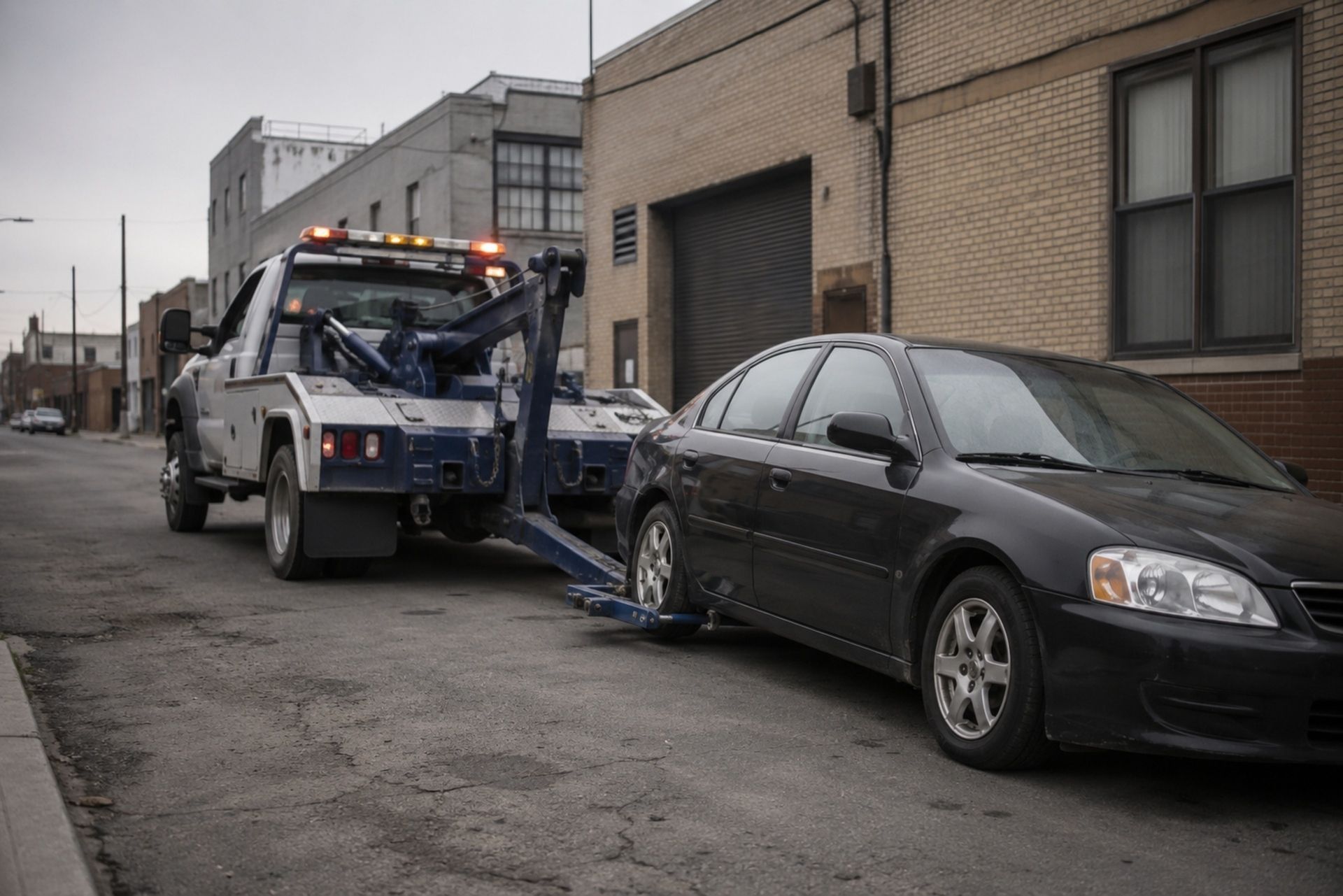
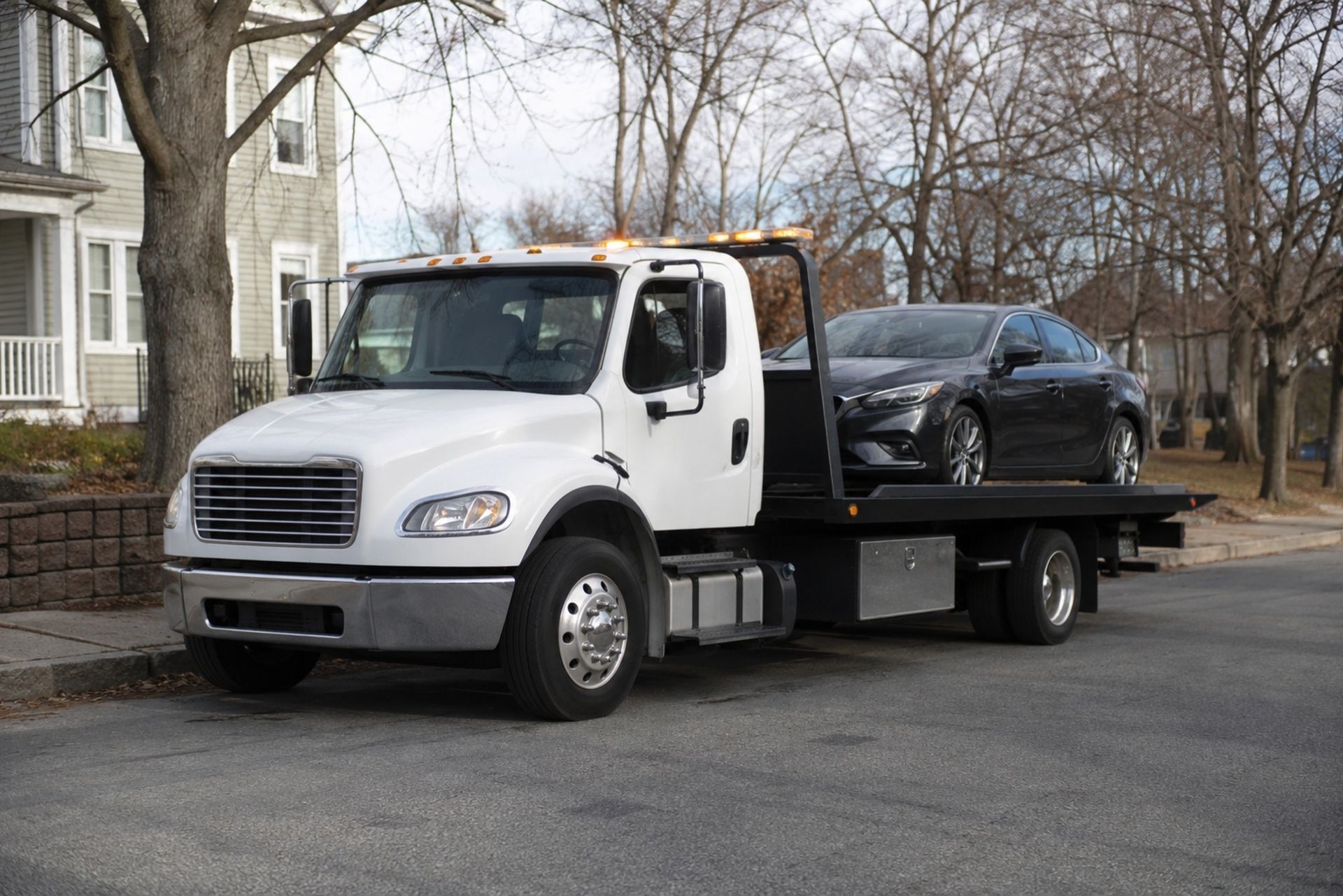
On-hook coverage protects the vehicle you're towing while it's attached to your truck. If your driver rear-ends someone and the customer's BMW slides off the flatbed, your commercial auto policy covers the collision damage to the other car, but the BMW on your bed? That's an on-hook claim. Typical limits range from $50,000 to $150,000 per vehicle, though high-end recovery operators hauling luxury cars should consider $250,000 or more.
Garagekeepers liability picks up where on-hook leaves off. Once that vehicle is parked on your lot or inside your shop, garagekeepers coverage responds if it's stolen, vandalized, or damaged by fire. New York courts have consistently held tow operators to a "bailee" standard of care, meaning you're legally responsible for vehicles in your custody. A single lot fire can destroy ten or fifteen cars in minutes. Without garagekeepers coverage, you're writing checks out of your own account for every one of them.
Commercial Auto and Medical Payments
Your commercial auto policy is the backbone of everything. It covers bodily injury and property damage your trucks cause on the road. New York requires minimum liability limits, but most tow operators carry $1 million combined single limit or higher because the state's no-fault system and supplementary uninsured motorist (SUM) requirements create significant exposure.
Medical payments coverage, often called MedPay, pays for injuries to your driver or passengers regardless of fault. In New York's no-fault framework, Personal Injury Protection (PIP) is mandatory at $50,000 per person. But MedPay stacks on top of PIP and fills gaps, especially for injuries that exceed PIP thresholds. A tow truck driver struck while loading a vehicle on the shoulder of I-87 can rack up $80,000 in medical bills fast. MedPay keeps your workers covered without forcing them into litigation.
General Liability for Roadside Assistance
Commercial auto covers incidents involving your vehicles. General liability covers everything else: a customer who trips over a chain on your lot, a property owner whose fence you damage during a recovery, or a slip-and-fall in your office. For towing companies that provide roadside assistance like jump-starts, tire changes, and lockouts, GL is especially critical because those services happen on someone else's property.
Most carriers write GL policies for tow operators at $1 million per occurrence and $2 million aggregate. If you hold municipal towing contracts, the city or county will almost certainly require a certificate of insurance showing those exact limits. Some contracts demand $5 million
umbrella coverage on top of that.

New York State Requirements and Compliance
New York doesn't make insurance easy for anyone, and tow operators face an extra layer of regulation that general trucking companies don't.
NYSDOT Weight-Based Regulations
The New York State Department of Transportation ties insurance requirements to your truck's gross vehicle weight rating (GVWR). Trucks under 10,001 pounds need lower liability limits than heavy-duty wreckers rated at 26,001 pounds or more. Heavy wreckers used for tractor-trailer recovery typically need $750,000 to $1 million in liability coverage just to satisfy NYSDOT filing requirements.
You'll also need to file proof of insurance directly with NYSDOT if you operate under a DOT number. A lapse in coverage, even for a single day, can trigger an automatic suspension of your operating authority. Reinstatement isn't instant: it can take weeks, and every day without authority is a day you can't legally tow. Governor Hochul's 2026 push to bring down crushingly expensive auto insurance costs includes reforms that may eventually ease some commercial filing burdens, but those changes haven't taken effect yet.
Workers' Compensation Laws for Recovery Crews
New York is one of the strictest states in the country on workers' comp. If you have even one employee, you must carry a workers' compensation policy. There are no exceptions for small tow companies. The penalties for non-compliance include fines of $2,000 per ten-day period and potential criminal charges.
Recovery work is classified as a high-hazard occupation, so your experience modification rate (EMR) matters enormously. A clean safety record can push your EMR below 1.0 and save you thousands annually. One serious injury claim, on the other hand, can spike your EMR above 1.5 and make your premiums nearly unaffordable. The trucking industry has been
demanding relief from Albany on insurance affordability, and workers' comp costs are a major part of that conversation.
Comparison of Standard vs. Specialized Towing Policies
Not all policies are built the same. Here's how a standard commercial auto policy stacks up against a specialized towing and recovery policy:
| Feature | Standard Commercial Auto | Specialized Towing Policy |
|---|---|---|
| On-Hook Coverage | Not included | Included, $50K-$250K per vehicle |
| Garagekeepers Liability | Not included | Included or available as add-on |
| Cargo/Vehicle-in-Tow | Limited or excluded | Full coverage while in transit |
| Roadside Assistance GL | Typically excluded | Built into policy |
| Winching/Recovery Operations | Not covered | Covered under operations endorsement |
| Impound Lot Liability | Not covered | Available endorsement |
| Premium Range (per truck) | $8,000-$12,000/year | $10,000-$18,000/year |
The price difference is real, but so is the coverage gap. I've seen operators try to save $3,000 per truck by going with a standard policy, only to face a $90,000 on-hook claim with zero coverage. Specialized towing policies from carriers that understand recovery operations are worth the extra cost. New York's
auto insurance reform efforts in 2026 may help moderate some of these premiums over time, but for now, the specialized market remains the safest bet.
Your premium isn't a random number. Underwriters look at specific, measurable risk factors to price your policy.
Operating Radius and Urban vs. Rural Routes
A tow company running five trucks in Manhattan will pay dramatically more than a similar operation in the Hudson Valley. NYC's congestion, higher accident frequency, and litigation-friendly courts all inflate premiums. Operators with a 25-mile radius in the five boroughs can expect to pay 40-60% more per truck than upstate counterparts covering a 100-mile rural radius.
Your operating radius also affects which coverages you need. Long-haul recovery operators who transport vehicles across state lines need interstate authority and potentially higher federal minimum limits. Local operators can often keep things simpler, but they still face New York's baseline requirements.
Driver Safety Records and CDL Requirements
Every driver on your policy gets individually rated. A clean MVR (motor vehicle report) with no accidents or violations in the past three years is the single biggest factor in keeping your premiums reasonable. One at-fault accident can increase a driver's contribution to your policy by 25-40%. Two or more violations push some drivers into the "assigned risk" pool, where rates are punishing.
New York requires a CDL for any tow truck with a GVWR over 26,001 pounds, and many carriers won't write policies for operators whose drivers lack proper endorsements. Defensive driving courses approved by the state can earn you a 10% discount on liability premiums for three years: a small investment that pays for itself quickly. The
2026 transportation insurance outlook suggests that carriers are increasingly rewarding fleets that invest in telematics and driver training programs with meaningful premium reductions.
Frequently Asked Questions About NY Towing Insurance
How much does towing insurance cost per truck in New York? Expect $10,000-$18,000 per truck annually for a specialized policy. NYC operators often pay closer to $15,000-$22,000 depending on claims history and coverage limits.
Do I need garagekeepers insurance if I don't have a storage lot? If vehicles ever sit on your property, even temporarily, yes. Courts have held tow operators liable for vehicles parked overnight at a driver's home.
Can I add on-hook coverage to a regular commercial auto policy? Some carriers offer it as an endorsement, but the coverage is often more limited than what you'd get from a specialized towing policy. Check the per-vehicle sublimit carefully.
What happens if my insurance lapses for one day? NYSDOT can suspend your operating authority, and reinstatement requires filing new proof of insurance plus potential penalties. Don't let it lapse.
Does my personal auto insurance cover my tow truck? No. Personal policies universally exclude commercial towing operations. You need a commercial policy, period.
Are volunteer tow operators covered under my policy?
Typically no. Most policies only cover drivers listed on the declarations page or who meet specific hiring criteria outlined in the policy. Add every driver who touches a truck.
Making the Right Choice for Your Fleet
Picking insurance for a towing and recovery operation in New York isn't something you should rush. The wrong policy leaves gaps that only become visible when a claim hits, and by then it's too late. Start by getting quotes from at least three carriers that specialize in towing insurance, not general commercial auto writers who treat your flatbed like a delivery van.
Ask each carrier specifically about on-hook limits, garagekeepers sub-limits, and whether winching and recovery operations are covered or excluded. Read the exclusions page of every quote: that's where the real differences hide. A policy that looks cheaper on the declarations page might exclude the exact scenarios your crews face every night.
Your best protection is a combination of proper coverage, strong driver hiring practices, and a commitment to safety that keeps your EMR low. New York is an expensive state to operate in, but the
ongoing insurance reform efforts signal that relief may be on the horizon. Until those changes take hold, build your insurance program around worst-case scenarios, not best-case budgets. Your business depends on it.
ABOUT THE AUTHOR:
TAYLOR RICHARDSON
Taylor Richardson is the founder and CEO of 5M Insurance. With a focus on real estate risk management, Taylor helps investors and property managers nationwide secure smarter, scalable coverage solutions—without the headaches of traditional insurance brokers.
Contact Us
Comprehensive Coverage for Businesses of All Sizes
Protecting Your Business, Securing Your Future
General Liability Insurance
Protection against lawsuits and third-party claims.

Workers Comp Insurance
Required protection for employees in case of injury or illness.
Commercial Property Insurance
Coverage for buildings, equipment, and business assets.
Commercial Auto Insurance
Coverage for company vehicles and fleet operations.
Commercial Umbrella Insurance
Protection against errors, omissions, and negligence claims.
Business Owner's Policy
A bundled policy combining essential business coverages.
Personalized Insurance for Every Stage of Life
Protect What Matters Most with Comprehensive Coverage
Jewelry Insurance
Specialized protection for valuable items like engagement rings, watches, and heirlooms.
Pet Insurance
Financial protection for veterinary care and unexpected pet health expenses.
Specialized Insurance for Your Business Needs
Serving the Industries That Drive
New York & New Jersey





What Our Clients Say
Trusted by Businesses & Families Across New York & New Jersey
Frequently Asked Questions
Get Answers to Your Insurance Questions
We understand that insurance can be complex. Here are answers to some of the most common questions our clients ask. If you need more information, our team is always here to help.
- Still have questions?
How do I know what coverage I need?
Choosing the right insurance starts with understanding your risks. For personal insurance, consider factors like your home’s value, your vehicle, and your financial responsibilities. Homeowners may need additional protection for floods or valuable belongings, while drivers should evaluate coverage limits based on their assets.
For businesses, the right coverage depends on the industry, number of employees, and liability risks. General liability is essential for most businesses, but some may need property, workers’ compensation, or business owner’s policies. Our team can assess your needs and guide you to the best options.
What factors affect my insurance rate?
Insurance rates are influenced by multiple factors. For auto policies, your driving history, vehicle type, and location play a major role. Home insurance costs depend on your home’s value, construction type, and potential risks like flooding or fire hazards.
For business insurance, rates vary based on the industry, size, claims history, and coverage limits. High-risk industries may require specialized policies, while businesses with strong safety measures and claims-free histories can qualify for better rates. Our agents help find discounts and cost-saving opportunities.
Why should I work with an independent insurance agency?
Unlike captive agents who represent a single insurance company, independent agencies like Joyce Insurance Agency work with multiple carriers to find the best coverage for your needs. This means you get more choices, competitive rates, and a policy that truly fits your situation.
We take the time to understand your needs, compare options, and provide expert advice. Whether you're insuring your home, car, or business, our priority is finding you the best protection at a great value.
How quickly can I get insured?
The time it takes to secure a policy depends on the type of insurance. Auto and home policies can often be issued the same day, while business insurance may take longer, especially for specialized coverage. Workers’ compensation and commercial policies may require underwriting approval, which can extend the timeline.
We prioritize efficiency and make the process as smooth as possible. Once we understand your needs, we work quickly to get you insured with minimal hassle.
What should I do if I need to file a claim?
If you need to file a claim, contact us as soon as possible. We’ll guide you through the process and ensure you have everything needed to submit your claim correctly. Gathering necessary documentation, such as photos, receipts, or witness statements, can help speed up the process.
We work directly with your insurance provider to streamline communication and advocate on your behalf. Our goal is to make sure your claim is handled quickly and fairly so you can recover without unnecessary stress.
How can I lower my insurance costs?
There are several ways to reduce insurance premiums without sacrificing coverage. For auto insurance, maintaining a clean driving record, bundling policies, and increasing deductibles can help lower costs. Homeowners can save by installing security systems, upgrading safety features, and bundling home and auto policies.
For business owners, implementing risk management strategies, maintaining a claims-free history, and working with an independent agent to find competitive rates can lead to cost savings. Our team helps you explore discounts and options to ensure you’re getting the best value.
Contact Us
Phone
Location