A dental chair locks mid-recline during a root canal. Your CBCT imaging unit throws an error code nobody recognizes. The autoclave won't pressurize. These aren't hypothetical nightmares: they're Tuesday-morning realities for practices that depend on complex, expensive machinery every single day. Equipment breakdown insurance for dental offices covers the financial fallout from exactly these scenarios, protecting everything from chairs and compressors to imaging systems and sterilizers while addressing deductibles and the costly downtime that follows a failure.
Most
practice owners assume their
commercial property policy handles mechanical breakdowns. It usually doesn't. That gap between what you think is covered and what actually is can cost tens of thousands of dollars in a single incident. Understanding how equipment breakdown insurance works, what it covers, and how to choose the right policy structure is one of the most practical financial decisions you'll make for your practice this year.
Why Dental Offices Need Equipment Breakdown Coverage
Your practice runs on machines. Not just one or two, but dozens of interconnected systems that must function simultaneously for you to see patients. When any critical piece fails, you don't just lose the cost of the repair: you lose the revenue from every appointment you can't keep.
Equipment downtime is one of the most underestimated financial risks in dental practice. A single chair out of service for a day can mean hundreds of dollars in cancelled appointments, and rescheduling rarely recovers all that lost income. Multiply that across a multi-day repair, and the financial hit becomes significant fast.
The real risk isn't that something will break: it's that you won't have the right coverage when it does.
The Difference Between Breakdown and Commercial Property Insurance
Commercial property insurance covers damage from external events like fire, theft, vandalism, and certain natural disasters. It's designed for situations where something outside your control destroys or damages your property.
Equipment breakdown insurance (often called EBI or boiler and machinery insurance) covers internal mechanical and electrical failures. Think motor burnout, electrical arcing, compressor failure, or a control board that simply stops working. Your property policy explicitly excludes these types of losses in most cases.
Here's a practical example: if a fire destroys your panoramic X-ray unit, your property policy pays. If the unit's internal electronics fail due to a power surge or component fatigue, only an EBI policy responds. That distinction matters enormously because internal failures are far more common than fires.
Financial Impact of Unexpected Mechanical Failure
The numbers get uncomfortable quickly. A failed circuit board in a digital X-ray unit can cost $5,000 to repair, and the parts-and-labor timeline typically stretches four to six business days. During that window, you're either turning patients away or referring them elsewhere.
Sterilizer failures carry a different kind of cost. Beyond the repair bill, a mid-cycle failure means you can't process instruments. That creates gaps in your decontamination records and can trigger compliance headaches during inspections, requiring documented evidence of remedial action. The financial exposure isn't limited to the broken part: it extends to lost revenue, emergency rental equipment, and potential regulatory consequences.

Common Dental Equipment Covered by a Policy
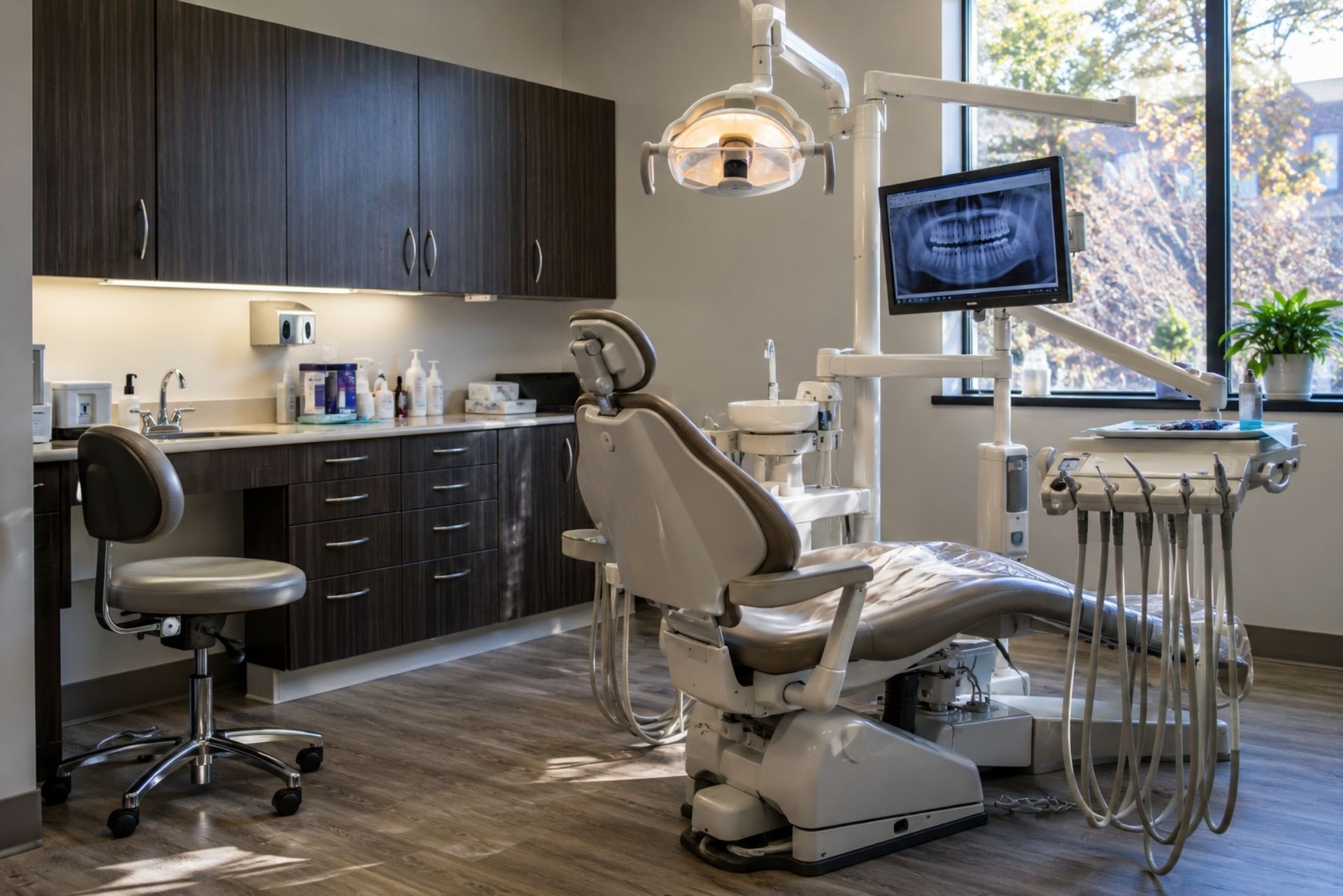
A well-structured breakdown policy covers the mechanical and electrical systems your practice depends on daily. Not every policy is identical, so you'll want to confirm specific equipment categories with your insurer. That said, most EBI policies designed for dental practices cover the following categories.
High-Tech Diagnostic Tools: X-Rays and Digital Imaging
Digital panoramic units, intraoral sensors, CBCT scanners, and cephalometric systems represent some of the highest-value equipment in your office. New 3D imaging systems typically cost between $50,000 and $150,000, depending on the field of view (FOV) and software features. These systems contain sensitive electronics, motorized components, and software-dependent controls that are all vulnerable to internal failure. https://www.dentalti.com/post/how-much-does-a-cbct-machine-cost-a-buyer-s-guide-for-dental-practices
EBI policies typically cover the mechanical and electrical breakdown of these units, including damage from power fluctuations. Given that diagnostic imaging is essential to treatment planning, losing access to these tools doesn't just inconvenience you: it halts entire categories of care.
Essential Utility Systems: Air Compressors and Vacuums
Your air compressor and vacuum system aren't glamorous, but nothing works without them. Handpieces need compressed air. Suction is non-negotiable during procedures. When either system fails, every operatory in the practice goes down simultaneously.
Compressor motors burn out. Vacuum pumps lose pressure. These are mechanical failures that fall squarely within EBI coverage. Replacement compressors can take days to source and install, and temporary rental units aren't always readily available in every market.
Sterilization Units and Autoclaves
Autoclaves operate under high pressure and temperature, which means their components wear over time regardless of how well you maintain them. Heating elements fail. Pressure seals degrade. Control boards malfunction.
A broken sterilizer doesn't just need repair: it creates an immediate infection control problem. You can't reuse instruments without proper sterilization, and you can't see patients without instruments. Some practices keep a backup unit, but many smaller offices don't have that luxury. EBI coverage for sterilizers should include both the repair costs and the downstream financial impact of being unable to operate.
Standard vs. Comprehensive Coverage Comparison
Not all equipment breakdown policies offer the same protections. The difference between a basic and an extended policy can determine whether you're back in business within days or stuck absorbing losses for weeks.
Comparison Chart: Basic vs. Extended Protection
| Feature | Basic EBI Policy | Comprehensive EBI Policy |
|---|---|---|
| Mechanical/electrical breakdown | Covered | Covered |
| Power surge damage | Often excluded | Typically included |
| Business income loss | Not included | Included (based on fee schedule) |
| Data/software restoration | Not included | Included |
| Spoilage (medications, materials) | Not included | Included |
| Expediting expenses | Limited or excluded | Covered (overtime labor, rush shipping) |
| Deductible structure | Higher per-incident | Lower or tiered options |
| Coverage for rented/leased equipment | Excluded | Often included |
The cost difference between basic and comprehensive coverage is often modest relative to the protection gap. For most dental practices, the comprehensive option pays for itself the first time you file a claim that involves both repair costs and lost income.
Key Policy Features for Dental Practitioners
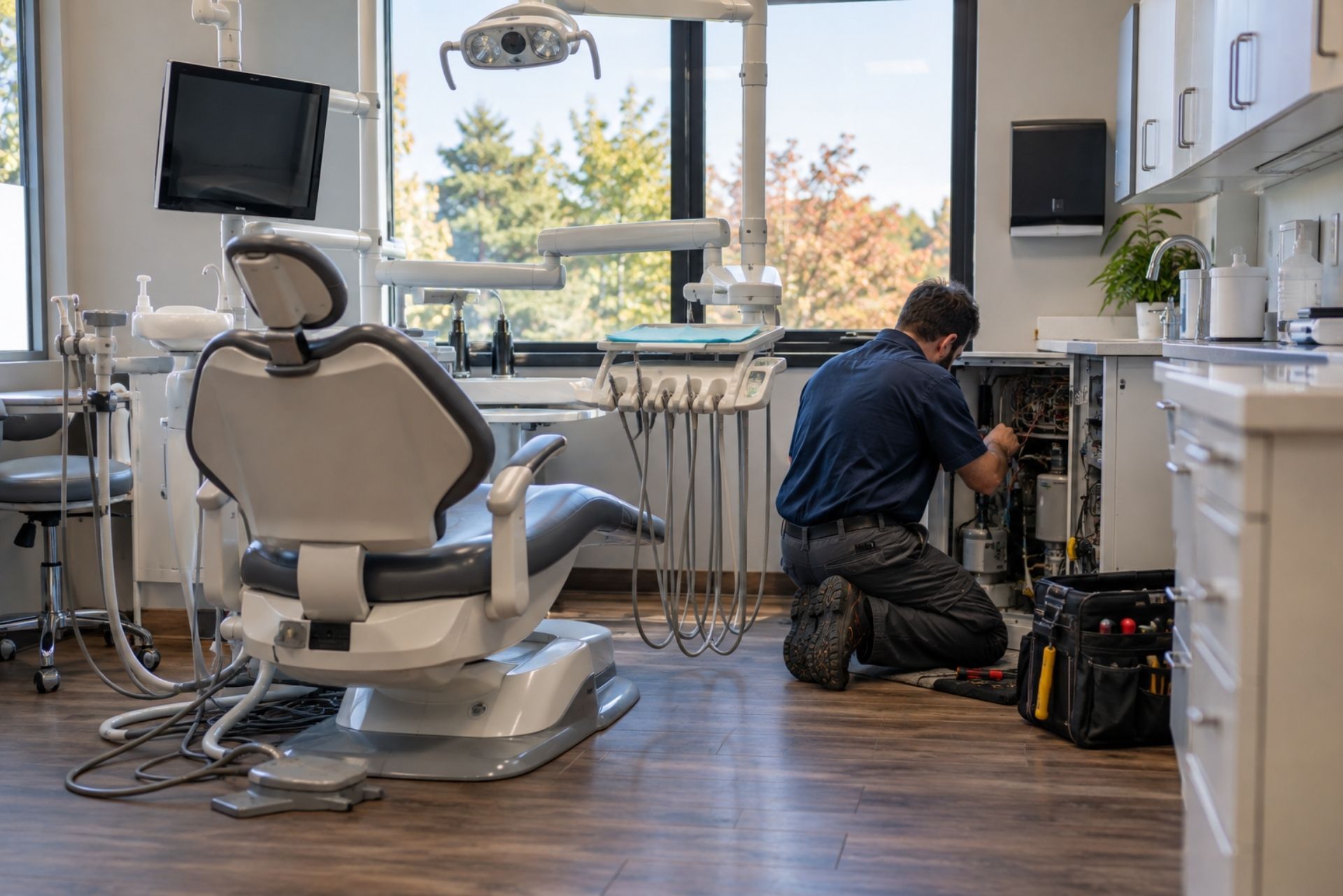
Beyond the core mechanical breakdown coverage, several policy features are particularly relevant to dental offices. These aren't add-ons you can ignore: they address the real-world consequences of equipment failure.
Business Income and Extra Expense Coverage
This is arguably the most valuable component of a dental equipment breakdown policy. When your imaging system is down for five days, you're not just paying for repairs: you're losing the revenue from every scan you can't perform.
Modern EBI policies in 2026 have evolved to cover business income based on the expected fee schedule rather than just historical averages. That's a meaningful improvement for growing practices whose current revenue exceeds what they earned in prior years. Extra expense coverage also pays for costs you wouldn't normally incur, like renting temporary equipment or paying overtime to catch up on a backlog.
Data Restoration and Software Recovery
Digital dentistry means your equipment is increasingly software-dependent. A breakdown that corrupts your imaging software, patient management data, or CAD/CAM design files creates problems that outlast the physical repair. Comprehensive EBI policies include coverage for restoring data and reinstalling software, which can involve specialized technicians and licensing fees.
Perishable Goods and Medication Spoilage
If your compressor failure takes out your refrigeration system, temperature-sensitive medications and materials can spoil. Some dental materials have strict storage requirements, and a single overnight failure can ruin thousands of dollars in inventory. Spoilage coverage reimburses you for these losses, which most practice owners don't think about until it happens.
Frequently Asked Questions About Dental Equipment Insurance
Does this cover my equipment if it just gets old?
No. EBI covers sudden, accidental mechanical or electrical breakdown, not gradual wear and deterioration. If your autoclave slowly loses efficiency over years and eventually stops working, that's a maintenance issue. If its control board fails unexpectedly, that's a covered breakdown. The distinction is between gradual degradation and sudden failure.
Will my manufacturer's warranty already cover these issues?
Warranties typically cover defects for one to three years. After that, you're on your own. Even during the warranty period, the manufacturer won't reimburse you for lost revenue, spoiled materials, or the cost of renting replacement equipment. EBI fills those gaps and continues protecting you long after warranties expire.
What happens if a power surge fries my dental chair?
Under a comprehensive EBI policy, damage from power surges is typically covered. A basic policy may exclude it. The claim would cover repair or replacement of the damaged components. If the chair is out of service long enough to affect your schedule, business income coverage kicks in as well.
Does this pay for lost patient revenue while I'm closed?
Yes, if your policy includes business income coverage. The insurer calculates your loss based on your fee schedule and the duration of the downtime. You'll need to document the appointments you couldn't keep, but this is one of the most common and valuable claim types for dental practices.
Making the Right Choice for Your Practice
Choosing the right equipment breakdown coverage comes down to understanding your specific exposure. A solo practitioner with two operatories has different needs than a multi-location group practice with CBCT scanners in every office. Start by inventorying your equipment and its replacement costs, then work backward to determine how much downtime your practice can absorb financially.
One thing that consistently reduces both premiums and claims: preventive maintenance. Practices with proactive maintenance plans can reduce emergency breakdowns by up to 80% and lower annual repair costs by 60%. Insurers know this, and some offer premium credits for documented maintenance programs.
Don't wait for a compressor to seize or an imaging unit to go dark before reviewing your coverage. Talk to an insurance professional who understands dental practices specifically: not just commercial insurance generally. Ask about deductible options, coverage limits for your most expensive equipment, and whether business income protection reflects your current fee schedule rather than outdated averages.
Your equipment is the engine of your practice. Protecting it with the right breakdown coverage isn't an optional expense: it's a financial safeguard that keeps your doors open and your patients in the chair.
ABOUT THE AUTHOR:
TAYLOR RICHARDSON
Taylor Richardson is the founder and CEO of 5M Insurance. With a focus on real estate risk management, Taylor helps investors and property managers nationwide secure smarter, scalable coverage solutions—without the headaches of traditional insurance brokers.
Contact Us
Comprehensive Coverage for Businesses of All Sizes
Protecting Your Business, Securing Your Future
General Liability Insurance
Protection against lawsuits and third-party claims.

Workers Comp Insurance
Required protection for employees in case of injury or illness.
Commercial Property Insurance
Coverage for buildings, equipment, and business assets.
Commercial Auto Insurance
Coverage for company vehicles and fleet operations.
Commercial Umbrella Insurance
Protection against errors, omissions, and negligence claims.
Business Owner's Policy
A bundled policy combining essential business coverages.
Personalized Insurance for Every Stage of Life
Protect What Matters Most with Comprehensive Coverage
Jewelry Insurance
Specialized protection for valuable items like engagement rings, watches, and heirlooms.
Pet Insurance
Financial protection for veterinary care and unexpected pet health expenses.
Specialized Insurance for Your Business Needs
Serving the Industries That Drive
New York & New Jersey





What Our Clients Say
Trusted by Businesses & Families Across New York & New Jersey
Frequently Asked Questions
Get Answers to Your Insurance Questions
We understand that insurance can be complex. Here are answers to some of the most common questions our clients ask. If you need more information, our team is always here to help.
- Still have questions?
How do I know what coverage I need?
Choosing the right insurance starts with understanding your risks. For personal insurance, consider factors like your home’s value, your vehicle, and your financial responsibilities. Homeowners may need additional protection for floods or valuable belongings, while drivers should evaluate coverage limits based on their assets.
For businesses, the right coverage depends on the industry, number of employees, and liability risks. General liability is essential for most businesses, but some may need property, workers’ compensation, or business owner’s policies. Our team can assess your needs and guide you to the best options.
What factors affect my insurance rate?
Insurance rates are influenced by multiple factors. For auto policies, your driving history, vehicle type, and location play a major role. Home insurance costs depend on your home’s value, construction type, and potential risks like flooding or fire hazards.
For business insurance, rates vary based on the industry, size, claims history, and coverage limits. High-risk industries may require specialized policies, while businesses with strong safety measures and claims-free histories can qualify for better rates. Our agents help find discounts and cost-saving opportunities.
Why should I work with an independent insurance agency?
Unlike captive agents who represent a single insurance company, independent agencies like Joyce Insurance Agency work with multiple carriers to find the best coverage for your needs. This means you get more choices, competitive rates, and a policy that truly fits your situation.
We take the time to understand your needs, compare options, and provide expert advice. Whether you're insuring your home, car, or business, our priority is finding you the best protection at a great value.
How quickly can I get insured?
The time it takes to secure a policy depends on the type of insurance. Auto and home policies can often be issued the same day, while business insurance may take longer, especially for specialized coverage. Workers’ compensation and commercial policies may require underwriting approval, which can extend the timeline.
We prioritize efficiency and make the process as smooth as possible. Once we understand your needs, we work quickly to get you insured with minimal hassle.
What should I do if I need to file a claim?
If you need to file a claim, contact us as soon as possible. We’ll guide you through the process and ensure you have everything needed to submit your claim correctly. Gathering necessary documentation, such as photos, receipts, or witness statements, can help speed up the process.
We work directly with your insurance provider to streamline communication and advocate on your behalf. Our goal is to make sure your claim is handled quickly and fairly so you can recover without unnecessary stress.
How can I lower my insurance costs?
There are several ways to reduce insurance premiums without sacrificing coverage. For auto insurance, maintaining a clean driving record, bundling policies, and increasing deductibles can help lower costs. Homeowners can save by installing security systems, upgrading safety features, and bundling home and auto policies.
For business owners, implementing risk management strategies, maintaining a claims-free history, and working with an independent agent to find competitive rates can lead to cost savings. Our team helps you explore discounts and options to ensure you’re getting the best value.
Contact Us
Phone
Location