A burst pipe behind your bathroom wall at 2 a.m. Your co-op board hits every shareholder with a $15,000 special assessment after a roof collapse. The Landmarks Preservation Commission rejects your contractor's window replacement plan for the third time. These aren't hypothetical nightmares for owners in the West Village and Greenwich Village: they're Tuesday. Condo and co-op insurance in these historic neighborhoods demands more than a standard policy. You're dealing with pre-war plumbing, landmarked facades, strict alteration agreements, and boards that require proof of coverage before you can so much as repaint a closet. The right insurance setup protects you from water damage claims, loss assessments, liability lawsuits, and renovation-related gaps that catch Village owners off guard every year. This guide breaks down exactly what you need, what your building's master policy actually covers, and where the expensive gaps hide.
Understanding Village Condo and Co-op Insurance
Your building carries insurance. You probably assume that's enough. It isn't, and the gap between what your board covers and what you're responsible for can cost you tens of thousands of dollars in a single incident.
The Difference Between Master Policies and Individual Coverage
Every condo association and co-op corporation maintains a master insurance policy. This policy typically covers the building's structure, common areas (lobbies, hallways, elevators, rooftop), and general liability for the property. But the master policy stops at your unit's walls, and sometimes not even there.
In a condo, the master policy usually covers the building's exterior shell and shared systems. In a co-op, the corporation's policy covers the building itself, but your proprietary lease defines where corporate responsibility ends and yours begins. The distinction matters because your personal belongings, interior finishes, fixtures, and improvements are almost never part of the master policy. If a fire destroys your kitchen renovation or a visitor slips on your wet floor, the building's insurance won't pay your claim.
Why Standard Homeowners Insurance Isn't Enough
A traditional HO-3 homeowners policy is designed for single-family homes. It covers the entire structure, the land, and detached buildings on the property. None of that applies to you as a unit owner. You don't own the roof. You don't own the boiler. You share structural walls with neighbors.
What you need is a policy built specifically for shared-ownership living: one that picks up where the master policy leaves off, covers your
interior improvements, and protects you against assessments the board passes down. That's where HO-6 policies (for condos) and specialized co-op unit-owner policies come in.

Key Coverage Components for Unit Owners
Getting the right policy means understanding four distinct coverage areas. Skip any one of them and you're exposed.
Dwelling Coverage (Walls-In Protection)
Dwelling coverage, sometimes called "walls-in" coverage, pays to repair or replace everything inside your unit that isn't covered by the master policy. Think cabinets, countertops, flooring, built-in shelving, bathroom tile, and any upgrades you've made. In the Village, where owners routinely invest six figures into kitchen and bathroom renovations, this coverage is critical.
Your dwelling limit should reflect the actual cost to rebuild your unit's interior to its current condition. A unit with original 1960s finishes needs far less coverage than one with a full gut renovation. Get a replacement cost estimate, not a market value figure.
Personal Property and Liability Needs
Personal property coverage protects your furniture, electronics, clothing, artwork, and other belongings. Liability coverage pays for injuries someone sustains in your unit or damage you accidentally cause to another unit. If your dishwasher leaks into the apartment below and ruins their ceiling, your liability coverage responds.
Most personal umbrella policies in New York require the underlying HO-6 policy to maintain at least $300,000 in liability to be effective (https://www.brickunderground.com/buy/10_questions_to_ask_before_buying_co_op_or_condo_insurance). Lawsuits in New York don't come cheap, and a slip-and-fall claim can easily exceed a basic liability limit.
Loss Assessment: Protecting Against Shared Costs
Here's a coverage gap that surprises even experienced owners. When your building suffers a major loss and the master policy's deductible or coverage limit falls short, the board can assess each unit owner for the difference. These special assessments can run from a few thousand dollars to well over $25,000 per unit.
Loss assessment coverage on your HO-6 or co-op policy reimburses you for these charges. The catch: many policies contain a "deductible gap" provision that
limits payouts for deductible assessments to between $1,000 and $2,500, even when your overall loss assessment limit is much higher. Read the fine print. If your building's master policy carries a $50,000 or $100,000 deductible (common in 2026), that gap can leave you holding a significant bill.
Comparing Policy Types: HO-6 vs. Co-op Coverage
Condos and co-ops are insured differently because ownership structures differ. In a condo, you own your unit outright. In a co-op, you own shares in a corporation that owns the building. Your insurance needs to reflect that distinction.
Comparison Table: Master Policy vs. HO-6 Policy
| Coverage Area | Master Policy (Building) | HO-6 / Co-op Unit Policy (You) |
|---|---|---|
| Building exterior & structure | Covered | Not covered |
| Common areas (lobby, hallways) | Covered | Not covered |
| Interior walls, floors, fixtures | Rarely covered | Covered |
| Personal belongings | Not covered | Covered |
| Liability (injuries in your unit) | Not covered | Covered |
| Loss assessments | N/A | Covered (check sub-limits) |
| Renovations & improvements | Not covered | Covered if declared |
| Water damage from your unit to others | Building may claim against you | Your liability coverage responds |
For co-op owners specifically, your policy needs to align with the proprietary lease. Some co-op master policies are "bare walls" (covering only the structure), while others extend to original fixtures. Ask your managing agent for the insurance summary page before you set your coverage limits.
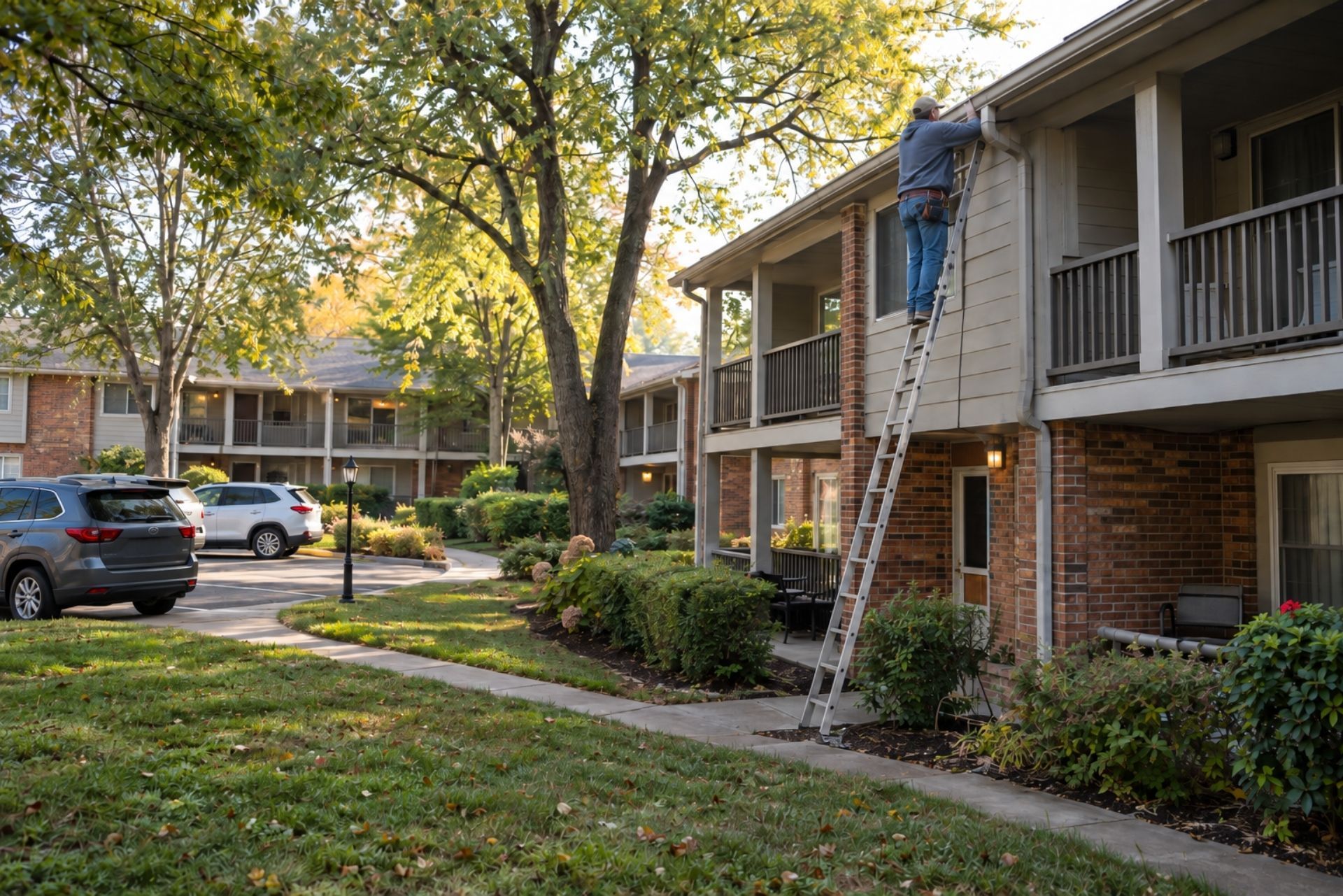
Owning in the West Village or Greenwich Village introduces complications you won't find in a new-construction high-rise in Hudson Yards. Between board requirements and landmark regulations, your insurance and renovation planning need to work together.
Meeting Board and Association Bylaw Standards
Most Village co-op and condo boards require proof of insurance before approving an alteration agreement. The typical requirements include a minimum dwelling coverage amount, liability limits of $300,000 to $500,000 (https://www.1800insurance.com/guides/new-york-condo-insurance), and the building listed as an additional insured on your policy. Some boards also require your contractor to carry specific insurance minimums.
Fail to meet these requirements and your renovation won't get approved, period. Keep your certificate of insurance current, and make sure your agent knows how to issue certificates that satisfy New York co-op and condo boards. This is not the time for a generalist insurer unfamiliar with NYC requirements.
Special Considerations for Historic Village Buildings
Renovations within the Greenwich Village Historic District cost 30% to 50% more than non-landmarked projects, with pre-construction reviews averaging 12 to 18 months. The Landmarks Preservation Commission now mandates physical mockups and sightline studies for West Village rooftop additions to confirm invisibility from the street. These delays and added costs have a direct insurance impact.
Longer construction timelines mean extended periods of risk. Your policy should account for renovation-related exposures, and your contractor's insurance needs to remain active throughout the entire LPC review and construction period. A lapse in coverage during a 14-month approval process is a real and common problem. Also worth noting: as of January 2026, licensed NYC Construction Superintendents are restricted to one active permit at a time, which can further extend project timelines and your exposure window.
The insurance market itself is tightening. Residential building insurance premiums in NYC are surging by 20% to 200% in 2026 due to high claim losses and reduced carrier capacity. Underwriters are scrutinizing claims history, building maintenance practices, and the presence of water leak prevention systems more aggressively than ever. If your building has a poor claims record, your master policy premiums rise, and those costs get passed to you through maintenance increases or assessments.
Common Questions About Village Property Insurance
Do I really need insurance if my building has a master policy?
Yes. The master policy doesn't cover your interior finishes, personal belongings, liability for incidents inside your unit, or loss assessments. Without your own policy, you're self-insuring everything inside your four walls.
What happens if a pipe bursts inside my walls?
Your walls-in dwelling coverage pays to repair your unit's interior damage. If the water reaches a neighbor's unit, your liability coverage responds to their claim against you. If the pipe is part of the building's shared plumbing system, the master policy may cover structural repairs, but your personal losses still fall on your policy.
How much dwelling coverage should I actually get?
Enough to rebuild your unit's interior from bare walls to its current finished condition. If you've done a $150,000 renovation, your dwelling coverage needs to reflect that cost plus inflation. A unit with original finishes might need $50,000 to $75,000. Get a contractor's estimate if you're unsure.
Does this cover my storage locker in the basement?
Usually, yes. Most HO-6 and co-op policies extend personal property coverage to items stored in your assigned storage unit within the building. Check your policy for any sub-limits on off-premises or basement storage, since water damage in basement units is a frequent claim.
Will my policy pay for repairs to common areas?
No. Common area repairs are the building's responsibility under the master policy. But if the master policy falls short and the board issues a special assessment, your loss assessment coverage helps pay your share.
Making the Right Choice for Your Home
Insurance for Village condos and co-ops isn't a set-it-and-forget-it purchase. Your coverage needs to reflect your unit's current condition, your building's master policy structure, and the specific risks that come with owning in a landmarked neighborhood with aging infrastructure.
Start by requesting your building's insurance summary and proprietary lease (or condo declaration). Match your dwelling coverage to the actual replacement cost of your interior. Set your loss assessment limit high enough to absorb a realistic special assessment: $50,000 is a reasonable starting point for most Village buildings, but confirm your building's master policy deductible first. Review your policy annually, especially after completing any renovation.
The 2026 insurance market is punishing buildings and owners who wait until after a claim to review their coverage. Get ahead of it. Talk to an insurance professional who understands New York co-op and condo structures, historic district requirements, and the specific risks of pre-war Village buildings. Your home is likely your largest financial asset: protect it like one.
ABOUT THE AUTHOR:
TAYLOR RICHARDSON
Taylor Richardson is the founder and CEO of 5M Insurance. With a focus on real estate risk management, Taylor helps investors and property managers nationwide secure smarter, scalable coverage solutions—without the headaches of traditional insurance brokers.
Contact Us
Comprehensive Coverage for Businesses of All Sizes
Protecting Your Business, Securing Your Future
General Liability Insurance
Protection against lawsuits and third-party claims.

Workers Comp Insurance
Required protection for employees in case of injury or illness.
Commercial Property Insurance
Coverage for buildings, equipment, and business assets.
Commercial Auto Insurance
Coverage for company vehicles and fleet operations.
Commercial Umbrella Insurance
Protection against errors, omissions, and negligence claims.
Business Owner's Policy
A bundled policy combining essential business coverages.
Personalized Insurance for Every Stage of Life
Protect What Matters Most with Comprehensive Coverage
Jewelry Insurance
Specialized protection for valuable items like engagement rings, watches, and heirlooms.
Pet Insurance
Financial protection for veterinary care and unexpected pet health expenses.
Specialized Insurance for Your Business Needs
Serving the Industries That Drive
New York & New Jersey






What Our Clients Say
Trusted by Businesses & Families Across New York & New Jersey
Frequently Asked Questions
Get Answers to Your Insurance Questions
We understand that insurance can be complex. Here are answers to some of the most common questions our clients ask. If you need more information, our team is always here to help.
- Still have questions?
How do I know what coverage I need?
Choosing the right insurance starts with understanding your risks. For personal insurance, consider factors like your home’s value, your vehicle, and your financial responsibilities. Homeowners may need additional protection for floods or valuable belongings, while drivers should evaluate coverage limits based on their assets.
For businesses, the right coverage depends on the industry, number of employees, and liability risks. General liability is essential for most businesses, but some may need property, workers’ compensation, or business owner’s policies. Our team can assess your needs and guide you to the best options.
What factors affect my insurance rate?
Insurance rates are influenced by multiple factors. For auto policies, your driving history, vehicle type, and location play a major role. Home insurance costs depend on your home’s value, construction type, and potential risks like flooding or fire hazards.
For business insurance, rates vary based on the industry, size, claims history, and coverage limits. High-risk industries may require specialized policies, while businesses with strong safety measures and claims-free histories can qualify for better rates. Our agents help find discounts and cost-saving opportunities.
Why should I work with an independent insurance agency?
Unlike captive agents who represent a single insurance company, independent agencies like Joyce Insurance Agency work with multiple carriers to find the best coverage for your needs. This means you get more choices, competitive rates, and a policy that truly fits your situation.
We take the time to understand your needs, compare options, and provide expert advice. Whether you're insuring your home, car, or business, our priority is finding you the best protection at a great value.
How quickly can I get insured?
The time it takes to secure a policy depends on the type of insurance. Auto and home policies can often be issued the same day, while business insurance may take longer, especially for specialized coverage. Workers’ compensation and commercial policies may require underwriting approval, which can extend the timeline.
We prioritize efficiency and make the process as smooth as possible. Once we understand your needs, we work quickly to get you insured with minimal hassle.
What should I do if I need to file a claim?
If you need to file a claim, contact us as soon as possible. We’ll guide you through the process and ensure you have everything needed to submit your claim correctly. Gathering necessary documentation, such as photos, receipts, or witness statements, can help speed up the process.
We work directly with your insurance provider to streamline communication and advocate on your behalf. Our goal is to make sure your claim is handled quickly and fairly so you can recover without unnecessary stress.
How can I lower my insurance costs?
There are several ways to reduce insurance premiums without sacrificing coverage. For auto insurance, maintaining a clean driving record, bundling policies, and increasing deductibles can help lower costs. Homeowners can save by installing security systems, upgrading safety features, and bundling home and auto policies.
For business owners, implementing risk management strategies, maintaining a claims-free history, and working with an independent agent to find competitive rates can lead to cost savings. Our team helps you explore discounts and options to ensure you’re getting the best value.
Contact Us
Phone
Location