A single slip-and-fall on a job site in Brooklyn can cost you $250,000 or more before you've even hired a lawyer. For New York contractors, general liability insurance isn't just a smart business move: it's a survival requirement. The state's aggressive labor laws, sky-high litigation costs, and strict municipal licensing rules create an environment where operating without proper coverage is essentially gambling your entire business on every project.
New York contractors currently
earmark 7 to 10% of their total gross revenue for insurance, which is roughly double the 3 to 5% national average. That gap isn't accidental. It reflects New York's unique combination of dense urban construction, absolute liability statutes, and a court system that tends to favor injured workers and property owners. Whether you're a sole proprietor doing bathroom renovations in Queens or running a 30-person crew on commercial builds in Albany, understanding your liability insurance costs and legal requirements is the difference between building a sustainable business and watching one bad claim wipe you out. Here's what you actually need to know to get covered properly without overpaying.
Understanding General Liability Insurance for NY Contractors
General liability insurance protects your contracting business from third-party claims. That means injuries to non-employees, damage to someone else's property, and even advertising claims like copyright infringement in your marketing materials. It's the foundational policy that every contractor needs before adding specialized coverage.
For New York contractors specifically, this policy covers the legal defense costs and settlements that arise from your work. If a homeowner trips over your materials and breaks a wrist, or if your crew accidentally damages a neighboring property's foundation during excavation, your GL policy responds. Without it, those costs come directly out of your pocket, and in New York, those costs tend to be substantial.
Core Coverage: Bodily Injury and Property Damage
Your GL policy breaks down into two primary coverage areas. Bodily injury covers medical expenses, lost wages, and pain-and-suffering claims when a third party gets hurt because of your operations. Property damage covers repair or replacement costs when your work damages someone else's belongings or structures.
Most policies also include completed operations coverage, which protects you after you've finished a job. If a deck you built last year collapses and injures someone, your GL policy still responds. This is a coverage area many new contractors overlook, and it's one of the most common sources of claims in residential work.
Why New York Labor Laws Increase Risk
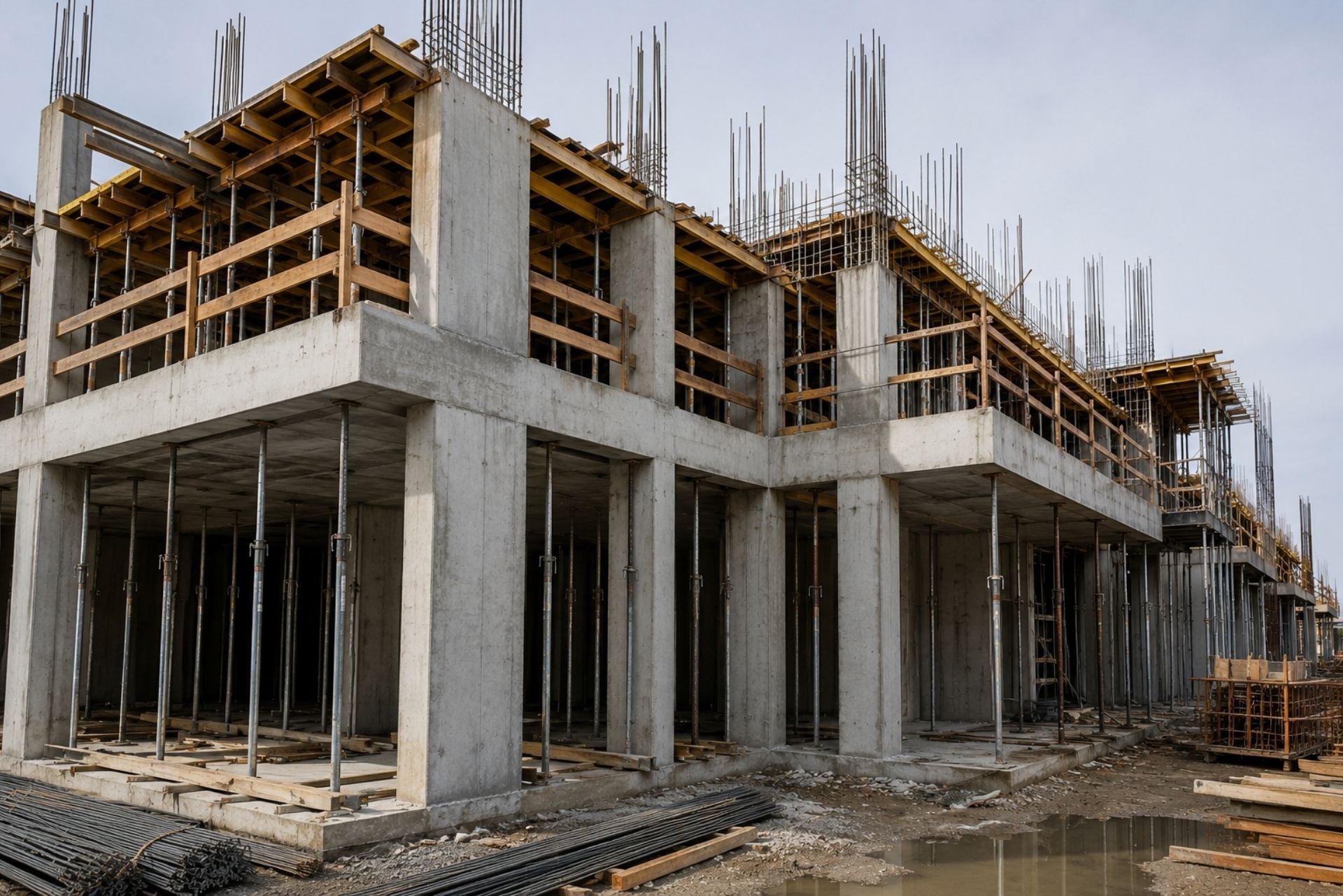
New York Labor Law Sections 240 and 241 impose what's called "absolute liability" on property owners and general contractors for gravity-related injuries and construction site safety violations. This means if a worker falls from a scaffold, the GC can be held liable regardless of fault, even if the injured worker was being reckless.
This legal framework is one of the
primary reasons New York contractor insurance is so expensive compared to other states. Insurers price in the near-certainty of large payouts. A scaffold fall claim in New York routinely exceeds $1 million, and your GL policy is often the first line of defense before excess coverage kicks in.

New York State and Local Insurance Requirements
New York doesn't have a single statewide contractor licensing system, which confuses a lot of people. Instead, requirements vary by municipality. The state does mandate workers' compensation and disability insurance for any contractor with employees, but GL requirements are typically set at the local level or by contract.
Licensing Requirements for NYC and Beyond
New York City has the strictest requirements. The Department of Buildings requires specific insurance documentation for licensed contractors, including general contractors, plumbers, electricians, and specialty trades. You can't pull permits without proof of current GL coverage.
Outside NYC, requirements vary widely. Cities like Buffalo, Rochester, and Syracuse have their own licensing boards with different insurance thresholds. Some smaller towns have no licensing requirements at all, though you'll still need coverage to win most contracts. The patchwork nature of New York's system means you need to verify requirements for every jurisdiction where you work.
Standard Coverage Limits for Public and Private Contracts
Most NYC contracts and many private project owners require minimum GL limits of $1 million per occurrence and $2 million aggregate. Public works projects often demand higher limits, sometimes $5 million or more, which typically requires an umbrella or excess liability policy on top of your base GL.
Commercial general contractors working on projects above $1 million in value should expect to carry at least $2 million per occurrence. These
contractor permit and insurance requirements are non-negotiable for DOB-regulated work in the five boroughs.
Annual GL premiums for New York contractors typically range from $3,000 to $15,000 for small to mid-size operations. That's a wide range, and where you land depends on several variables. A handyman doing minor repairs in suburban Westchester will pay far less than a demolition contractor working in Manhattan.
The average small contractor with under $500,000 in annual revenue can expect to pay roughly $4,500 to $7,000 per year for a standard GL policy with $1M/$2M limits. Larger operations with higher revenue and more employees will see premiums climb proportionally.
Key Factors Influencing Your Insurance Rates
Your premium is calculated using a combination of factors that insurers weigh differently:
- Trade classification: Roofers and demolition contractors pay dramatically more than painters or flooring installers
- Annual revenue: Higher gross receipts mean higher premiums, since insurers view revenue as a proxy for exposure
- Claims history: Even one paid claim in the past five years can increase your rates by 15 to 30%
- Geographic territory: NYC and Long Island contractors pay more than those in upstate markets
- Years in business: New contractors without a track record face higher rates than established firms
- Subcontractor usage: Heavy reliance on subs without verified insurance increases your risk profile
The Impact of High-Risk Trades on Cost
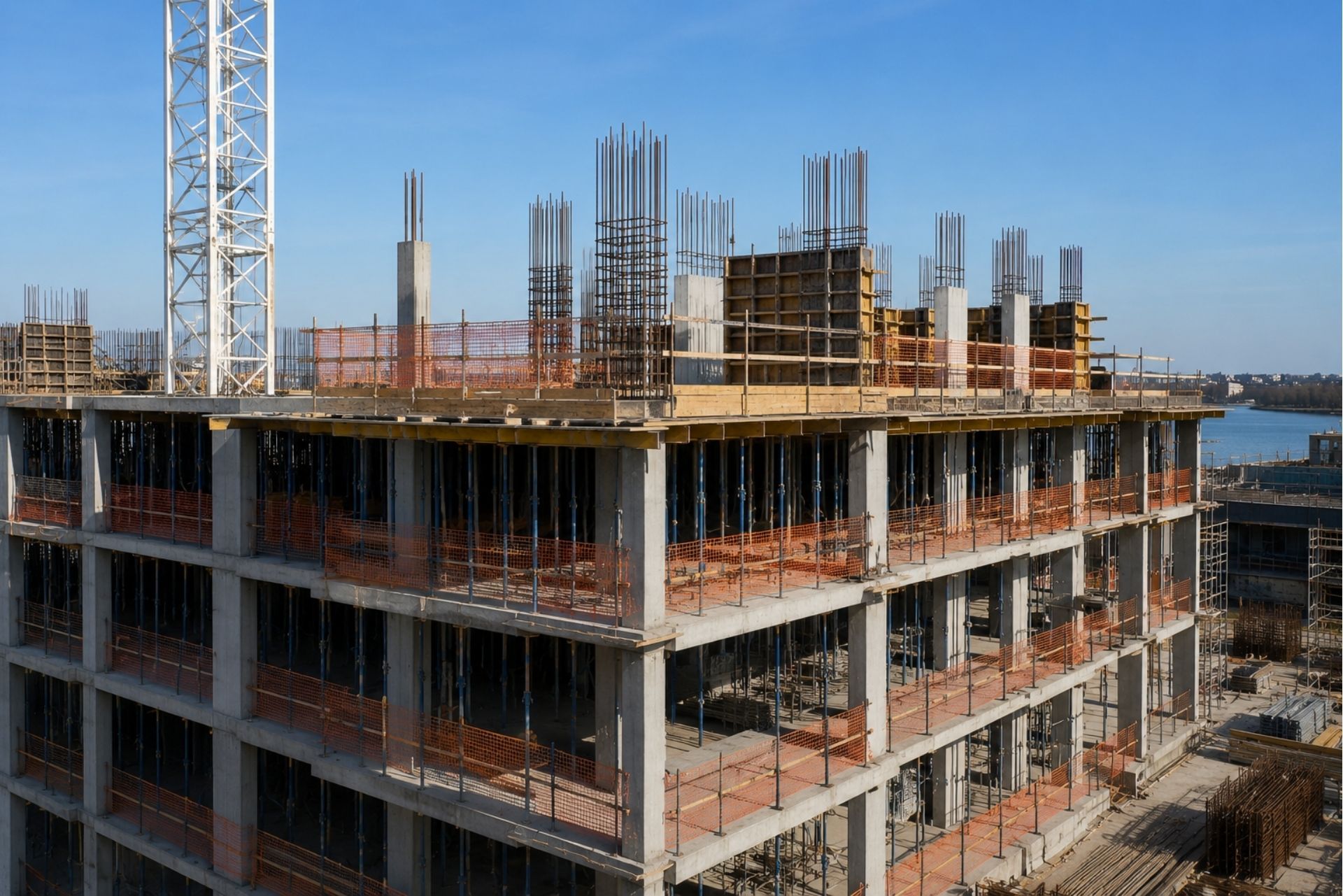
Trade classification is the single biggest cost driver. A general contractor doing ground-level interior renovations might pay $15 per $1,000 of revenue, while a roofing contractor could pay $45 or more per $1,000. The variation in contractor insurance costs across trades is enormous.
Demolition, structural steel, and any work involving heights carry the steepest rates. If you're in one of these trades, expect your GL premium to represent the upper end of that 7 to 10% revenue allocation. Some high-risk contractors in NYC pay $25,000 or more annually for GL alone.
Comparing Coverage: General Liability vs. Other Policies
Contractors often confuse GL with other policies they need. Here's a clear breakdown of what each covers:
| Policy Type | What It Covers | Required in NY? | Premium Package |
|---|---|---|---|
| General Liability | Third-party injuries, property damage, completed operations | By contract/municipality | $3,000 - $15,000+ |
| Workers' Compensation | Employee injuries on the job | Yes, if you have employees | $5,000 - $30,000+ |
| Commercial Auto | Vehicle accidents during business use | Yes, for business vehicles | $1,500 - $5,000 |
| Professional Liability | Design errors, consulting mistakes | Rarely required | $1,000 - $3,000 |
| Umbrella/Excess | Coverage above base policy limits | For large contracts | $1,500 - $8,000 |
GL doesn't cover your own employees' injuries: that's workers' comp. It also doesn't cover your own tools, equipment, or vehicles. Think of GL as protection against claims from people outside your organization.
You don't have to accept the first quote you receive. Several strategies can reduce your costs meaningfully.
Start by bundling your GL with other required policies through a Business Owner's Policy, or BOP. Most insurers offer 10 to 15% discounts for packaging GL with commercial property and business interruption coverage. You should also maintain a clean claims record: even small claims can haunt your renewal rates for years.
Raising your deductible from $500 to $2,500 can reduce your annual premium by 10 to 20%. Just make sure you can actually afford the higher out-of-pocket cost if a claim hits. Another often-overlooked strategy is verifying that every subcontractor you hire carries their own GL coverage with proper limits. If they don't, your insurer treats their exposure as yours.
Common Questions About Contractor Insurance in NY
Do I need GL insurance if I'm a sole proprietor with no employees? Yes, in most cases. While New York doesn't mandate GL at the state level for solo operators, most clients, property managers, and municipalities require it before you can work. You also can't get licensed in NYC without it.
Can I get monthly GL coverage instead of annual? Most insurers offer monthly payment plans, though you'll typically pay a small financing fee. Some newer carriers offer pay-as-you-go options tied to your actual revenue, which can help with cash flow during slow months.
What happens if my subcontractor causes damage and doesn't have insurance? You're likely on the hook. Your GL policy may respond, but your insurer will increase your rates at renewal. Always collect certificates of insurance from subs before they start work.
How quickly can I get a GL policy in New York? Same-day coverage is possible through many brokers and online platforms. The certificate of insurance, which you'll need for permits and contracts, is usually available within 24 hours.
Does my GL policy cover work I did last year? Yes, if you have completed operations coverage, which is standard on most GL policies. Claims can be filed years after work is finished, so maintaining continuous coverage is critical.
Is GL insurance tax-deductible for contractors?
Yes. Your GL premium is a deductible business expense. Keep your declarations page and payment records for your accountant.
New York-Specific Risks Every Contractor Should Know
New York's construction environment creates risks you won't find in most other states. The state's Scaffold Law, Labor Law Section 240, is the most contractor-unfriendly statute in the country. It imposes strict liability for falls from heights, meaning you can be held fully responsible even if the injured party was partly at fault.
Property damage claims in NYC also tend to run higher because of the density of adjacent structures. Vibration damage from excavation, water intrusion from roof work on attached buildings, and crane incidents all generate claims that would be smaller or nonexistent in less congested markets. Your GL limits need to account for these inflated exposure levels.
Choosing the Right Insurance Broker for NY Construction
Working with a broker who specializes in New York construction insurance matters more than you might think. A generalist agent who mostly writes auto and homeowners' policies won't understand scaffold law endorsements, wrap-up programs, or the specific additional insured requirements that NYC GCs demand.
Look for brokers with a book of business concentrated in construction. They'll have relationships with the surplus lines carriers that write high-risk trades, and they'll know which insurers are competitive for your specific classification code. A good construction broker can often find you
better coverage options than you'd get shopping on your own.
Getting your GL policy in place doesn't need to be complicated. Here's a practical sequence:
- Gather your business details: EIN, revenue projections, trade classification, employee count, and subcontractor usage
- Request quotes from at least three brokers or carriers who specialize in contractor insurance
- Review not just the premium but the exclusions, deductibles, and additional insured provisions
- Verify that your limits meet the requirements for your current and upcoming contracts
- Request certificates of insurance immediately and set up a system to track renewal dates
Don't wait until a GC or property owner asks for your certificate. Having coverage ready before you bid on work shows professionalism and prevents last-minute scrambles that can cost you jobs.
Protecting Your Business Assets Long-Term
The real cost of liability insurance for NY contractors isn't the premium: it's what happens without it. A single uninsured claim can result in personal asset seizure, business closure, and years of financial recovery. New York's legal environment makes this risk especially acute.
Your GL policy is the foundation, but it's not the whole picture. Pair it with adequate workers' comp, commercial auto, and an umbrella policy sized to your largest contract requirements. Review your coverage annually, especially if your revenue grows or you expand into new trades. The insurance requirements for New York contractors evolve as regulations change, and your coverage should keep pace.
Treat your insurance program as a business investment, not an expense to minimize. The contractors who survive and grow in New York's competitive market are the ones who protect themselves properly from day one. Get your quotes, compare your options, and lock in coverage before your next project starts.
ABOUT THE AUTHOR:
TAYLOR RICHARDSON
Taylor Richardson is the founder and CEO of 5M Insurance. With a focus on real estate risk management, Taylor helps investors and property managers nationwide secure smarter, scalable coverage solutions—without the headaches of traditional insurance brokers.
Contact Us
Comprehensive Coverage for Businesses of All Sizes
Protecting Your Business, Securing Your Future
General Liability Insurance
Protection against lawsuits and third-party claims.

Workers Comp Insurance
Required protection for employees in case of injury or illness.
Commercial Property Insurance
Coverage for buildings, equipment, and business assets.
Commercial Auto Insurance
Coverage for company vehicles and fleet operations.
Commercial Umbrella Insurance
Protection against errors, omissions, and negligence claims.
Business Owner's Policy
A bundled policy combining essential business coverages.
Personalized Insurance for Every Stage of Life
Protect What Matters Most with Comprehensive Coverage
Jewelry Insurance
Specialized protection for valuable items like engagement rings, watches, and heirlooms.
Pet Insurance
Financial protection for veterinary care and unexpected pet health expenses.
Specialized Insurance for Your Business Needs
Serving the Industries That Drive
New York & New Jersey






What Our Clients Say
Trusted by Businesses & Families Across New York & New Jersey
Frequently Asked Questions
Get Answers to Your Insurance Questions
We understand that insurance can be complex. Here are answers to some of the most common questions our clients ask. If you need more information, our team is always here to help.
- Still have questions?
How do I know what coverage I need?
Choosing the right insurance starts with understanding your risks. For personal insurance, consider factors like your home’s value, your vehicle, and your financial responsibilities. Homeowners may need additional protection for floods or valuable belongings, while drivers should evaluate coverage limits based on their assets.
For businesses, the right coverage depends on the industry, number of employees, and liability risks. General liability is essential for most businesses, but some may need property, workers’ compensation, or business owner’s policies. Our team can assess your needs and guide you to the best options.
What factors affect my insurance rate?
Insurance rates are influenced by multiple factors. For auto policies, your driving history, vehicle type, and location play a major role. Home insurance costs depend on your home’s value, construction type, and potential risks like flooding or fire hazards.
For business insurance, rates vary based on the industry, size, claims history, and coverage limits. High-risk industries may require specialized policies, while businesses with strong safety measures and claims-free histories can qualify for better rates. Our agents help find discounts and cost-saving opportunities.
Why should I work with an independent insurance agency?
Unlike captive agents who represent a single insurance company, independent agencies like Joyce Insurance Agency work with multiple carriers to find the best coverage for your needs. This means you get more choices, competitive rates, and a policy that truly fits your situation.
We take the time to understand your needs, compare options, and provide expert advice. Whether you're insuring your home, car, or business, our priority is finding you the best protection at a great value.
How quickly can I get insured?
The time it takes to secure a policy depends on the type of insurance. Auto and home policies can often be issued the same day, while business insurance may take longer, especially for specialized coverage. Workers’ compensation and commercial policies may require underwriting approval, which can extend the timeline.
We prioritize efficiency and make the process as smooth as possible. Once we understand your needs, we work quickly to get you insured with minimal hassle.
What should I do if I need to file a claim?
If you need to file a claim, contact us as soon as possible. We’ll guide you through the process and ensure you have everything needed to submit your claim correctly. Gathering necessary documentation, such as photos, receipts, or witness statements, can help speed up the process.
We work directly with your insurance provider to streamline communication and advocate on your behalf. Our goal is to make sure your claim is handled quickly and fairly so you can recover without unnecessary stress.
How can I lower my insurance costs?
There are several ways to reduce insurance premiums without sacrificing coverage. For auto insurance, maintaining a clean driving record, bundling policies, and increasing deductibles can help lower costs. Homeowners can save by installing security systems, upgrading safety features, and bundling home and auto policies.
For business owners, implementing risk management strategies, maintaining a claims-free history, and working with an independent agent to find competitive rates can lead to cost savings. Our team helps you explore discounts and options to ensure you’re getting the best value.
Contact Us
Phone
Location