Picture a Saturday afternoon in a Brooklyn salon. A nervous doodle slips its lead between the table and the front door, bolts onto Atlantic Avenue, and the owner is calling you before you've finished your next appointment. One escaped dog can turn into a vet bill, a search effort, a social media storm, and a demand letter, all inside a week.
That's the exposure animal bailee coverage exists to handle. Most groomers assume their
general liability policy already covers it. Many find out it doesn't only after a claim is denied. This guide covers how bailee protection for
New York grooming businesses responds to injury, escape, and death. It also covers how limits and deductibles work and which exclusions catch owners off guard.
Why New York Groomers Need Animal Bailee Coverage
A bailee is anyone who holds another person's property temporarily. In insurance terms, a client's dog or cat counts as property, and once it's on your table, it's in your "care, custody, or control." That phrase matters because standard general liability policies usually exclude damage to property in your care. Animal bailee coverage, sometimes called care, custody, and control coverage, fills that specific hole.
New York adds its own pressure. If you operate in the five boroughs, you need a Small Animal Grooming Establishment permit, and the annual permit fee is $30, with every permit expiring on December 31. That's a minor cost, but it puts your shop on the city's radar.
Statewide, Senate Bill S6963 and Assembly Bill A1108 would bring
mandatory registration, training, and facility licensing for pet groomers. As of the 2025-2026 session, both bills remain pending in committee. If either passes, documented safety practices and proper insurance will look a lot less optional to regulators and clients alike.

Core Protections: Injury, Escape, and Death
Bailee policies generally respond to three loss types. Each one plays out differently once a claim lands.
Accidental Injuries During the Grooming Process
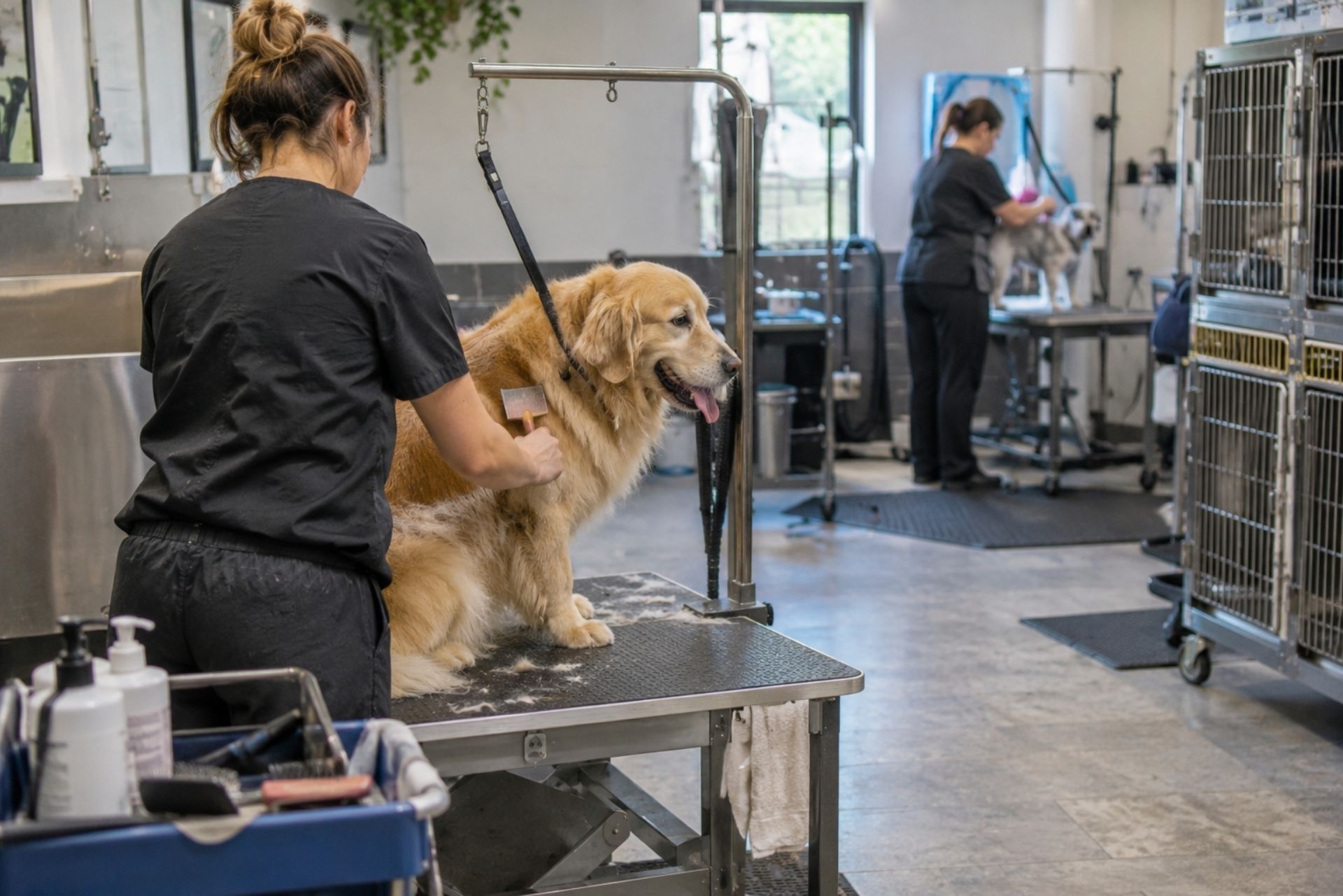
Clipper cuts are the most common bailee claim in grooming, and they're rarely dramatic. A matted Shih Tzu with thin skin, a slight twitch, and you've got a laceration needing sutures. Other frequent claims include:
- Clipper burns from blades that run hot during long de-matting sessions
- Nail quicking that leads to infection
- Falls from tables when a grooming loop is left unattended for seconds
- Dryer injuries, especially heat stroke in brachycephalic breeds like Frenchies and pugs
Your bailee policy typically pays the vet bill up to your per-animal limit. Report every incident in writing the same day, even small nicks. Clients who seem fine at pickup sometimes call back three days later with an infection.
Liability for Lost or Escaped Pets
Escapes are the scenario that keeps salon owners up at night, especially in dense urban areas with heavy traffic. A good policy may cover the costs tied to a lost animal, depending on wording. That can include search expenses such as flyers or reward offers, vet treatment if the pet is found injured, or the animal's value if it's never recovered.
The catch is that some policies only pay for physical injury or death, not "mysterious disappearance." Ask your agent directly whether a pet that runs off and is never found triggers coverage. Get the answer in writing.
Handling the Loss of a Pet Under Your Care
A death on your premises is the worst outcome, and it's where policy wording gets tested. Most bailee forms pay the market value of the animal, which for a mixed breed might be modest. For a show-quality champion, it can be significant. Emotional distress claims from owners are a separate question and are often excluded or capped.
If a pet dies in your care, don't offer compensation or admit fault on the spot. Notify your carrier immediately. Ask the owner's permission for a necropsy, which can show whether an underlying condition caused the death rather than your handling.
Comparing General Liability and Animal Bailee Coverage
Groomers often confuse these two policies, and the confusion costs money. General liability protects you when a third party, like a client tripping over a hose, gets hurt or their property is damaged outside your care. Bailee coverage protects the animals you're actively handling.
| Situation | General Liability | Animal Bailee |
|---|---|---|
| Client slips in your lobby | Covered | Not covered |
| Dog cut by clippers on your table | Usually excluded | Covered |
| Pet escapes during grooming | Usually excluded | Often covered |
| Groomed dog bites another client | Often covered | Varies |
| Pet dies from dryer heat stroke | Excluded | Covered (subject to exclusions) |
Here's what that means for you: you need both. Some carriers bundle bailee coverage into a groomer-specific package. Others sell it as an endorsement to a business owner's policy. Either structure works, as long as the declarations page lists animal bailee or care, custody, and control coverage by name.
Understanding Limits, Deductibles, and Policy Costs
Bailee policies usually carry two limits. A per-animal limit caps what the insurer pays for any single pet. An aggregate limit caps total payouts across the policy year. If you groom high-value breeds or show dogs, a low per-animal limit can leave you personally paying the difference.
Deductibles work the way you'd expect: you pay the first portion of each claim. Here's a practical tip. A higher deductible lowers your premium, but many grooming claims are small vet bills. If your deductible exceeds a typical clipper-cut treatment, you'll end up paying most claims out of pocket anyway.
Premiums depend on several factors carriers weigh:
- Annual grooming volume and number of animals handled
- Services offered, since mobile grooming, boarding, or daycare add risk
- Claims history over the past three to five years
- Staff experience and any certifications
- Location, with dense metro areas often rated differently than rural ones
Mobile groomers should confirm their bailee coverage extends to the van. Some policies only cover animals at a fixed premises address.
Exclusions are where bailee claims get denied. Read this section of your policy before you sign, not after an incident. Watch for these:
- Intentional or abusive acts by you or your employees
- Medicated treatments or procedures outside normal grooming, such as administering drugs
- Animals not listed in the services you declared, like grooming horses when you're rated for dogs and cats
- Uncovered locations, including a client's home if you're not rated for in-home service
- Poor documentation, since thin records weaken your defense even if they don't void coverage outright
Record-keeping deserves special attention in New York. Both
pending A1108 and current city permit rules emphasize business record-keeping. Your intake forms, condition notes, and incident logs aren't just regulatory paperwork. They're your evidence when a claim is disputed.
Pre-existing Conditions and Natural Causes
This is the exclusion groomers trip over most often. If an elderly dog with an undiagnosed heart condition collapses during a bath, the insurer may argue the death resulted from natural causes, not your handling. Without records, it's your word against the owner's grief.
Protect yourself with a written intake form at every visit. It should note visible skin issues, lumps, mats, age, and any medical history the owner shares. Have the owner sign a consent and release, especially for senior pets or severely matted coats. Photograph mats before shaving them down so nobody later claims your clippers caused the damage underneath.
Common Questions About Grooming Insurance
Does my general liability policy cover a dog I injure while grooming? Usually not. Most GL policies exclude property in your care, custody, or control, and pets fall under that exclusion.
Is animal bailee coverage required by law in New York? Not currently. Pending bills S6963 and A1108 could change licensing rules, so watch for updates.
Will my policy pay for an owner's emotional distress? Most bailee forms pay for vet costs or the animal's market value. Emotional distress damages are often excluded or limited.
Do I need separate coverage for mobile grooming? Possibly. Confirm in writing that your policy covers animals in your vehicle, not just at a fixed address.
What if an employee causes the injury? Bailee coverage generally applies to employee accidents. Intentional abuse is typically excluded.
How fast should I report a grooming incident?
Same day, if possible. Late reporting gives carriers grounds to dispute or deny a claim.
Making the Right Choice for Your Salon
Strong bailee protection comes down to three questions. Does the policy name animal care, custody, and control coverage explicitly? Do the per-animal limits match the breeds you actually groom? Are the exclusions ones you can manage with good records? If an agent can't answer those clearly, keep shopping.
Here's your quick don'ts checklist:
- Don't assume general liability covers pets on your table
- Don't pick a deductible higher than your typical small claim
- Don't skip intake forms for regulars you "know"
- Don't admit fault before calling your carrier
New York's regulatory picture may tighten soon. Groomers who already have proper coverage and clean records won't have to scramble if it does. Review your policy before your next permit renewal, and make sure it would hold up through the worst day your salon could have.
ABOUT THE AUTHOR:
BARNABY JOYCE
Barnaby Joyce is the President of Joyce Insurance Agency. He and the Joyce team help New York families and businesses compare their options and find coverage that fits their needs.
Contact Us
Comprehensive Coverage for Businesses of All Sizes
Protecting Your Business, Securing Your Future
General Liability Insurance
Protection against lawsuits and third-party claims.

Workers Comp Insurance
Required protection for employees in case of injury or illness.
Commercial Property Insurance
Coverage for buildings, equipment, and business assets.
Commercial Auto Insurance
Coverage for company vehicles and fleet operations.
Commercial Umbrella Insurance
Protection against errors, omissions, and negligence claims.
Business Owner's Policy
A bundled policy combining essential business coverages.
Personalized Insurance for Every Stage of Life
Protect What Matters Most with Comprehensive Coverage
Jewelry Insurance
Specialized protection for valuable items like engagement rings, watches, and heirlooms.
Pet Insurance
Financial protection for veterinary care and unexpected pet health expenses.
Specialized Insurance for Your Business Needs
Serving the Industries That Drive
New York & New Jersey






What Our Clients Say
Trusted by Businesses & Families Across New York & New Jersey
Frequently Asked Questions
Get Answers to Your Insurance Questions
We understand that insurance can be complex. Here are answers to some of the most common questions our clients ask. If you need more information, our team is always here to help.
- Still have questions?
How do I know what coverage I need?
Choosing the right insurance starts with understanding your risks. For personal insurance, consider factors like your home’s value, your vehicle, and your financial responsibilities. Homeowners may need additional protection for floods or valuable belongings, while drivers should evaluate coverage limits based on their assets.
For businesses, the right coverage depends on the industry, number of employees, and liability risks. General liability is essential for most businesses, but some may need property, workers’ compensation, or business owner’s policies. Our team can assess your needs and guide you to the best options.
What factors affect my insurance rate?
Insurance rates are influenced by multiple factors. For auto policies, your driving history, vehicle type, and location play a major role. Home insurance costs depend on your home’s value, construction type, and potential risks like flooding or fire hazards.
For business insurance, rates vary based on the industry, size, claims history, and coverage limits. High-risk industries may require specialized policies, while businesses with strong safety measures and claims-free histories can qualify for better rates. Our agents help find discounts and cost-saving opportunities.
Why should I work with an independent insurance agency?
Unlike captive agents who represent a single insurance company, independent agencies like Joyce Insurance Agency work with multiple carriers to find the best coverage for your needs. This means you get more choices, competitive rates, and a policy that truly fits your situation.
We take the time to understand your needs, compare options, and provide expert advice. Whether you're insuring your home, car, or business, our priority is finding you the best protection at a great value.
How quickly can I get insured?
The time it takes to secure a policy depends on the type of insurance. Auto and home policies can often be issued the same day, while business insurance may take longer, especially for specialized coverage. Workers’ compensation and commercial policies may require underwriting approval, which can extend the timeline.
We prioritize efficiency and make the process as smooth as possible. Once we understand your needs, we work quickly to get you insured with minimal hassle.
What should I do if I need to file a claim?
If you need to file a claim, contact us as soon as possible. We’ll guide you through the process and ensure you have everything needed to submit your claim correctly. Gathering necessary documentation, such as photos, receipts, or witness statements, can help speed up the process.
We work directly with your insurance provider to streamline communication and advocate on your behalf. Our goal is to make sure your claim is handled quickly and fairly so you can recover without unnecessary stress.
How can I lower my insurance costs?
There are several ways to reduce insurance premiums without sacrificing coverage. For auto insurance, maintaining a clean driving record, bundling policies, and increasing deductibles can help lower costs. Homeowners can save by installing security systems, upgrading safety features, and bundling home and auto policies.
For business owners, implementing risk management strategies, maintaining a claims-free history, and working with an independent agent to find competitive rates can lead to cost savings. Our team helps you explore discounts and options to ensure you’re getting the best value.
Contact Us
Phone
Location