Do You Need Insurance to Hire a Contractor in New York? Homeowner's Guide
See How We're Different
or call us: 845-942-7200

A bathroom remodel that turns into a six-figure lawsuit. It sounds extreme, but it happens in New York more often than most homeowners realize. If you're wondering whether you need insurance to hire a contractor in New York, this homeowner's guide will walk you through the real risks, the policies that matter, and the steps you can take to protect yourself before any work begins. New York's contractor liability laws are among the strictest in the country, and a single misstep can leave you financially exposed for injuries, property damage, or worse. The good news? You can avoid almost every worst-case scenario with the right preparation. Here's what you need to know before signing that contract.
Understanding Liability When Hiring New York Contractors
New York treats homeowners differently than most states when it comes to construction liability. The state imposes strict obligations on property owners, even when you've hired a licensed professional to do the work. This means that if a worker gets hurt on your property, you could be held responsible regardless of whether you did anything wrong.
The logic behind these laws is simple: property owners have the deepest pockets and the most control over whether work happens on their land. That principle shapes everything from small kitchen renovations to full-scale additions. Understanding this framework is the first step toward protecting yourself.
The Risk of Uninsured Workers on Your Property
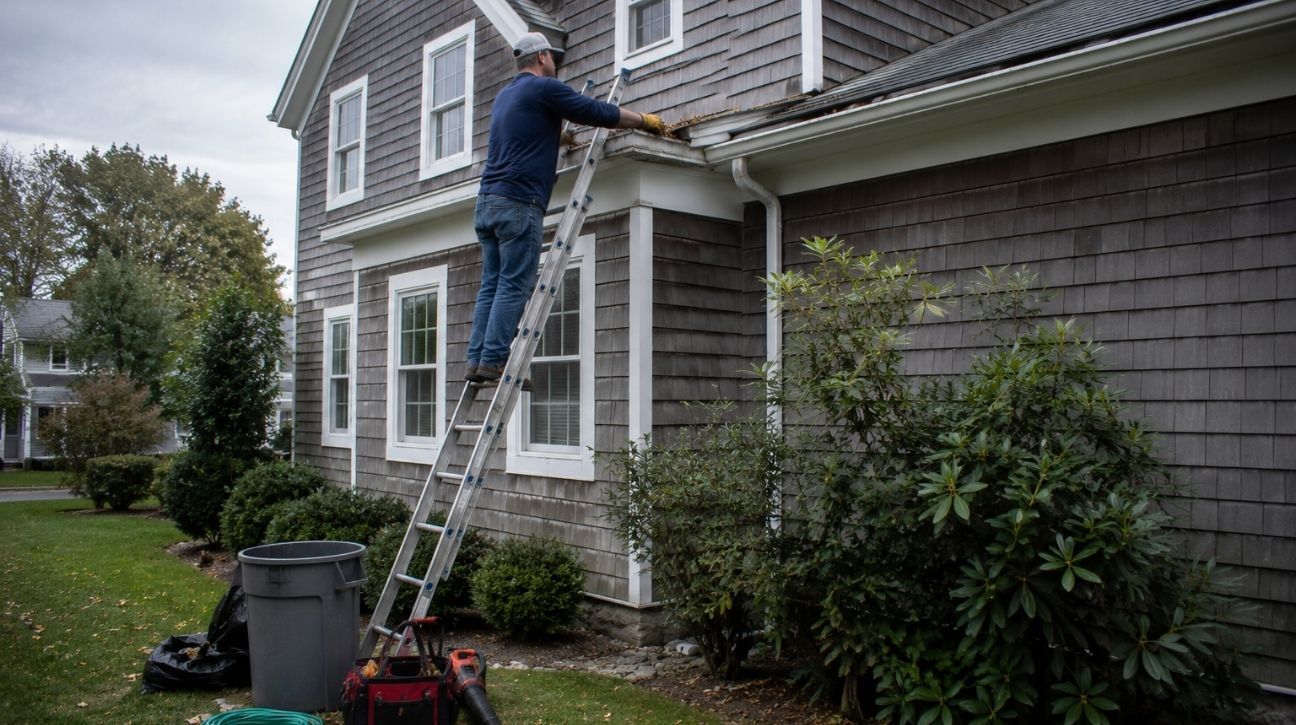
Hiring an uninsured contractor is one of the most expensive mistakes a New York homeowner can make. If a worker falls off a ladder, drops a tool on a passerby, or causes structural damage, you're the one left holding the bill when there's no insurance to cover it. Your personal assets, including your home, could be at risk in a lawsuit.
This isn't a hypothetical. Courts in New York have consistently ruled that homeowners bear financial responsibility for injuries sustained by workers on their property when proper insurance isn't in place. Even hiring a "handyman" off a neighborhood app doesn't shield you. If the work involves structural changes, electrical, plumbing, or anything beyond minor cosmetic fixes, you're exposed.
New York's Labor Law 240 (The Scaffold Law)
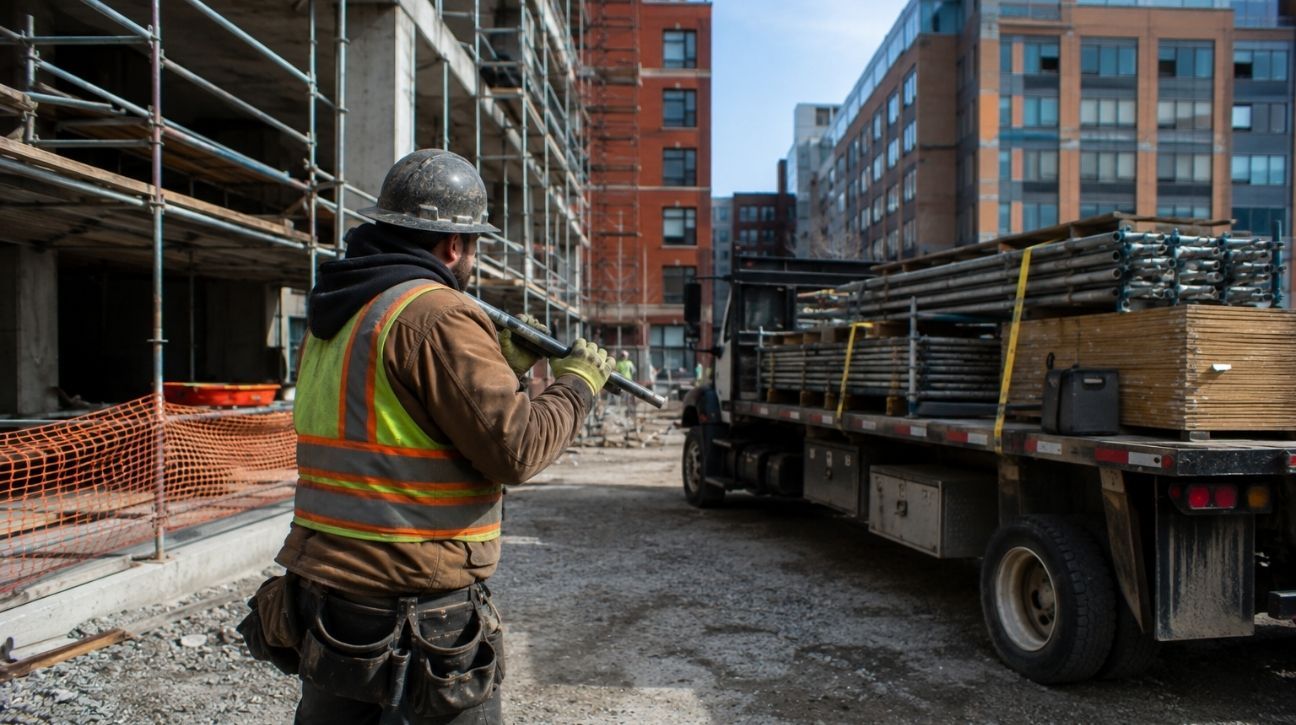
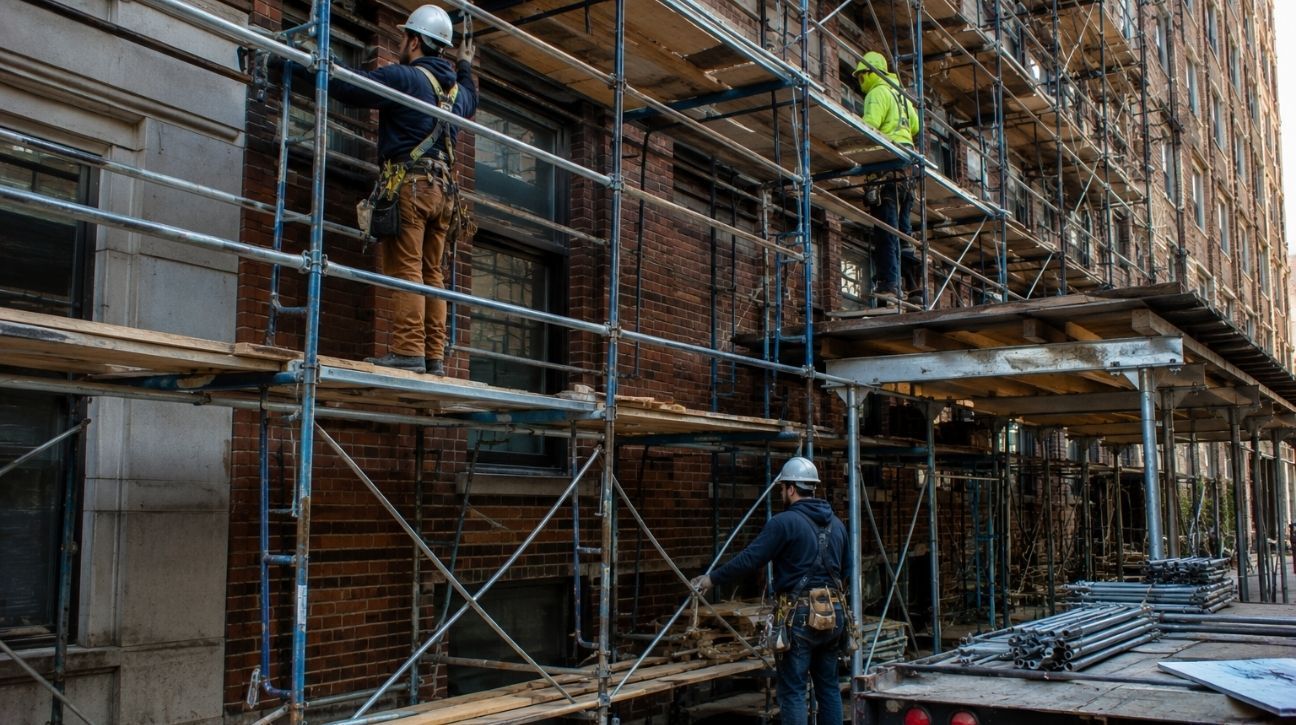
New York's Labor Law Section 240, commonly called the Scaffold Law, is one of the most homeowner-unfriendly statutes in the country. It holds property owners and general contractors absolutely liable for gravity-related injuries on construction sites. That means if a worker falls from a height, or something falls on them, you're liable even if the worker was careless.
The Scaffold Law applies to work involving elevation: roofing, siding, painting upper stories, gutter installation, and similar tasks. Absolute liability means there's no defense based on the worker's own negligence. A worker could ignore safety protocols entirely, and you'd still be on the hook. This law alone is reason enough to verify that every contractor you hire carries proper insurance before they set foot on your property.
Essential Insurance Policies Your Contractor Must Have
Not all insurance is created equal, and not every policy protects you as the homeowner. Your contractor should carry at minimum two types of coverage: general liability insurance and workers' compensation. These two policies serve different purposes, and both are critical.
In New York City, any contractor performing home improvement work costing more than $200 must be licensed and carry a $50,000 surety bond. But a surety bond isn't insurance. It protects consumers from fraud and contract violations, not from injuries or property damage. You need to look beyond the bond to the actual insurance policies.
General Liability vs. Workers' Compensation
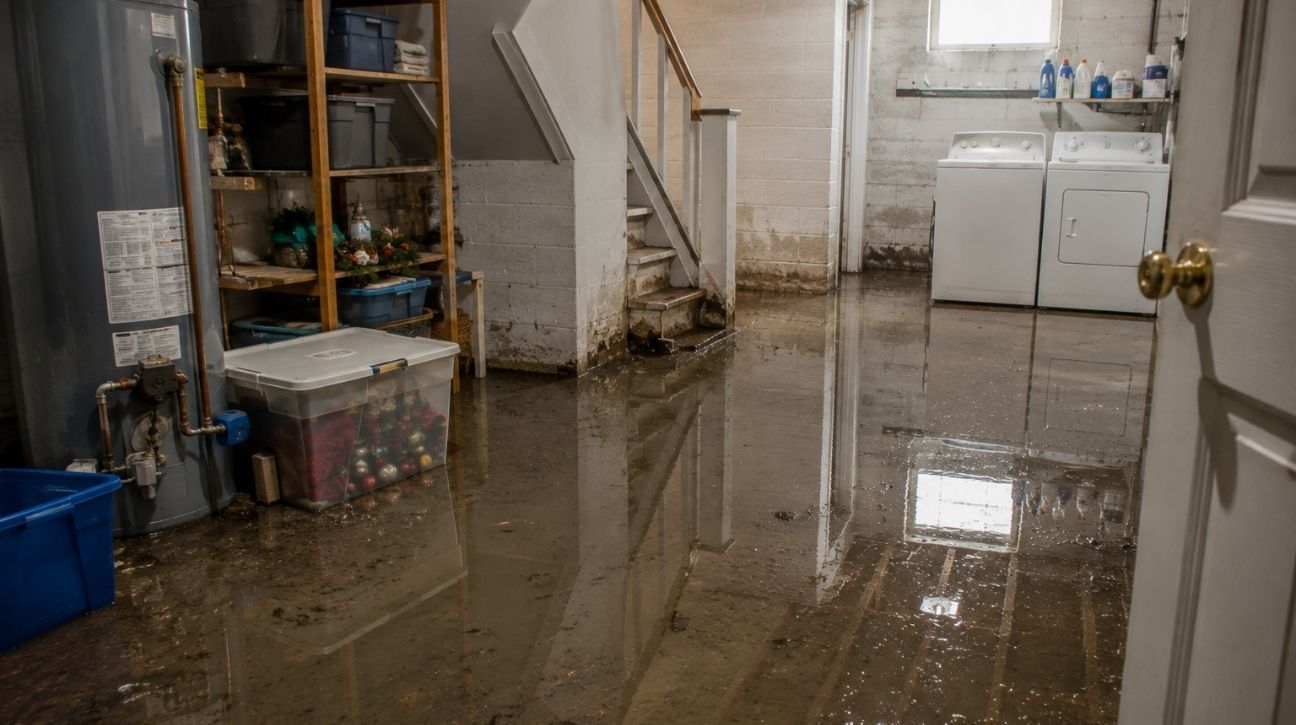
General liability insurance covers damage to your property and injuries to third parties. If a contractor accidentally breaks a water main and floods your basement, or a piece of debris hits your neighbor's car, general liability pays for it. Without this policy, those costs come out of your pocket or trigger a claim on your homeowners insurance.
Workers' compensation, on the other hand, covers the contractor's employees if they're injured on the job. New York State requires virtually all employers to carry workers' comp. If a contractor tells you they don't need it because their crew members are "independent contractors," treat that as a red flag. The New York Workers' Compensation Board takes misclassification seriously, and courts frequently reclassify workers as employees after an injury occurs, leaving the homeowner liable for medical costs and lost wages.
Comparison: Coverage Types and What They Protect
| Coverage Type | What It Covers | Who It Protects | Required in NY? |
|---|---|---|---|
| General Liability | Property damage, third-party injuries, completed operations | Homeowner, neighbors, public | Not mandated by state, but essential |
| Workers' Compensation | Employee injuries, medical bills, lost wages | Workers, homeowner (from lawsuits) | Yes, for all employers |
| Surety Bond | Contract violations, fraud, failure to complete work | Homeowner (limited) | Yes, for NYC-licensed contractors ($50K minimum) |
| Umbrella Policy | Excess liability beyond base policy limits | Homeowner, contractor | No, but recommended for large projects |
This table gives you a quick snapshot, but the details matter. A contractor with a $300,000 general liability policy might seem covered until your renovation involves $500,000 in potential exposure. Always match the coverage limits to the scope of work.
Verifying Coverage: How to Read a Certificate of Insurance
A Certificate of Insurance, or COI, is the document your contractor should provide before work begins. It's a one-page summary issued by the contractor's insurance company that confirms active coverage. Don't accept a photocopy from the contractor directly: request it from the insurance carrier or have the contractor ask their agent to send it to you.
The COI will list the types of coverage, policy numbers, effective dates, and coverage limits. It will also name the insurance company and the insured party. If anything looks off, or if the contractor hesitates to provide one, that's a sign to walk away.
Checking Policy Expiration and Limits
The most common mistake homeowners make is accepting a COI without checking the dates. Policies expire, and contractors don't always renew on time. Verify that the policy's effective dates cover the entire duration of your project, not just the start date.
Pay close attention to the coverage limits listed on the certificate. For most residential projects in New York, you want to see at least $1 million per occurrence in general liability coverage. Larger renovations, especially those involving structural work or multiple stories, may warrant $2 million or more. Workers' comp limits are set by state law, but confirm the policy is active and lists the correct employer.
Adding Yourself as an Additional Insured
This is one of the most important steps homeowners skip. Being named as an additional insured on your contractor's general liability policy gives you direct protection under their coverage. If someone sues you for an incident related to the contractor's work, the contractor's insurance company defends you and pays any judgment up to the policy limits.
Ask your contractor to have their insurance agent issue an endorsement adding you as an additional insured before work starts. This is a standard practice in the construction industry, and any reputable contractor will accommodate the request without pushback. If they refuse, that tells you everything you need to know about their professionalism.
When Your Homeowners Insurance Isn't Enough
Many homeowners assume their existing homeowners policy will cover anything that goes wrong during a renovation. That assumption is dangerous. Most standard homeowners policies exclude or severely limit coverage for construction-related incidents.
Your homeowners insurance typically covers damage to your property from covered perils like fire or storms. It does not cover injuries to workers, damage caused by a contractor's negligence, or liability arising from New York's Scaffold Law. Some policies even include exclusions for "construction operations" that could void your coverage entirely if undisclosed work is underway.
Before your project starts, call your homeowners insurance agent and disclose the scope of the renovation. Ask specifically whether your policy covers construction-related claims and whether you need a builder's risk policy or an umbrella policy for additional protection. A builder's risk policy covers the structure itself during construction, protecting against fire, theft, vandalism, and weather damage to the work in progress. For projects exceeding $100,000, this coverage is practically essential.
Common Questions About Hiring NY Contractors
Do I need my own insurance before hiring a contractor? You should have an active homeowners insurance policy, but you don't need to purchase a separate policy just to hire someone. Your contractor's insurance should be the primary coverage. That said, an umbrella policy adds a valuable extra layer for large projects.
What happens if my contractor's insurance lapses mid-project? You become exposed to full liability. Request that the insurance carrier notify you directly if the policy is canceled or not renewed. This notification can be built into the additional insured endorsement.
Can I hire an unlicensed contractor for small jobs? In NYC, any home improvement work over $200 requires a licensed contractor. Outside the city, requirements vary by municipality. Even where licensing isn't required, always verify insurance. A $500 paint job can still result in a $50,000 injury claim.
Does the contractor's insurance cover subcontractors? Not automatically. Each subcontractor should carry their own general liability and workers' comp policies. Ask your general contractor for COIs from every sub working on your project.
How much does it cost me to verify a contractor's insurance? Nothing. Requesting a COI is free. Having yourself added as an additional insured may cost the contractor a small endorsement fee, but many policies include it at no extra charge.
Is a verbal promise of insurance coverage enough? Absolutely not. Always get documentation directly from the insurance carrier. Verbal assurances have zero legal value if something goes wrong.
The Bottom Line: Protecting Your Assets During a Renovation
Hiring a contractor in New York without verifying their insurance is like driving without a seatbelt: you might be fine, but the consequences of a problem are catastrophic. New York's strict liability laws, especially the Scaffold Law, put homeowners at extraordinary financial risk when proper coverage isn't in place.
Before any contractor starts work on your property, get a current Certificate of Insurance, verify the policy dates and limits, confirm workers' compensation coverage, and add yourself as an additional insured. These steps take an hour at most and could save you hundreds of thousands of dollars.
The right contractor won't hesitate to provide proof of insurance. They'll expect you to ask. If someone balks at the request or pressures you to skip this step, they're not the professional you want working on your home. Protect your property, your finances, and your peace of mind by making insurance verification a non-negotiable part of your hiring process.
Recent Posts