Preparing Your New York Home for Hurricane Season: Insurance Tips and Checklist
See How We're Different
or call us: 845-942-7200
Every year, New York homeowners face a window of vulnerability that runs from June through November. And while NOAA's 2026 outlook predicts fewer storms thanks to cooling Pacific waters, "fewer" doesn't mean "zero." A single storm making landfall can cause billions in damage, and the metro New York area is now the
nation's largest hurricane exposure zone, with 3.27 million homes at risk. If you own property anywhere from Long Island to the Hudson Valley, preparing your home for hurricane season with the right insurance coverage and a solid checklist isn't optional. It's financial self-defense. The gap between what homeowners think their policy covers and what it actually pays out after a hurricane is often staggering. This guide walks you through both sides of that equation: the physical prep your home needs and the insurance fine print you can't afford to ignore.
Understanding Hurricane Risks for New York Homeowners
New York doesn't get the same hurricane attention as Florida or the Carolinas, but the risk profile here is distinct and, in some ways, more dangerous. Dense population centers, aging housing stock, and infrastructure built close to sea level create a perfect recipe for catastrophic losses. Superstorm Sandy proved this in 2012, and the region's exposure has only grown since then.
What makes New York's hurricane risk particularly tricky is the variety of damage types a single storm can cause. You're not just dealing with wind. Storm surge, inland flooding from overwhelmed drainage systems, and falling trees all hit simultaneously. Each of these damage types may be covered by different insurance mechanisms, or not covered at all.
Coastal vs. Inland Vulnerabilities in NY
If your home sits within a few miles of the coast on Long Island, Staten Island, or the Rockaways, storm surge is your primary threat. Walls of seawater can push inland, flooding basements and destroying foundations in ways that wind alone never could. New York's position as an unexpected epicenter of hurricane risk stems largely from the sheer concentration of coastal properties.
Inland homeowners face different but serious dangers. Heavy rainfall from a slow-moving storm can overwhelm rivers and municipal drainage, causing flash flooding in areas that have never flooded before. The Hudson Valley and parts of Westchester saw exactly this during Hurricane Ida in 2021. Don't assume you're safe just because you can't see the ocean from your front porch.
The Difference Between Hurricane and Windstorm Deductibles
Here's where things get confusing for New York homeowners. Your standard homeowners policy likely has a flat deductible for most claims, maybe $1,000 or $2,500. But hurricane and windstorm deductibles work differently. They're typically calculated as a percentage of your home's insured value, usually between 1% and 5%.
On a home insured for $500,000, a 2% hurricane deductible means you're paying the first $10,000 out of pocket. That's a shock for homeowners who expected their standard $1,000 deductible to apply. The New York State Assembly recently approved a bill to standardize hurricane and windstorm deductibles after significant debate, but until that legislation is finalized,
Long Island homeowners in particular need to scrutinize their deductible structures carefully.
Reviewing and Updating Your Insurance Coverage
Pull out your declarations page right now. Seriously. Most homeowners haven't reviewed their policy since they bought their home, and that's a problem. Construction costs have risen sharply since 2020, meaning your dwelling coverage limit may be 20% to 30% below what it would actually cost to rebuild your home today.
Call your agent or carrier and ask for a replacement cost estimate. If your policy covers $350,000 but rebuilding would cost $450,000, you're underinsured by $100,000. That gap comes out of your savings. You should also confirm whether your policy includes ordinance or law coverage, which pays for upgrades required by current building codes during repairs. Without it, you could be forced to pay out of pocket to bring your home up to 2026 code standards after a partial loss.
Closing the Flood Insurance Gap
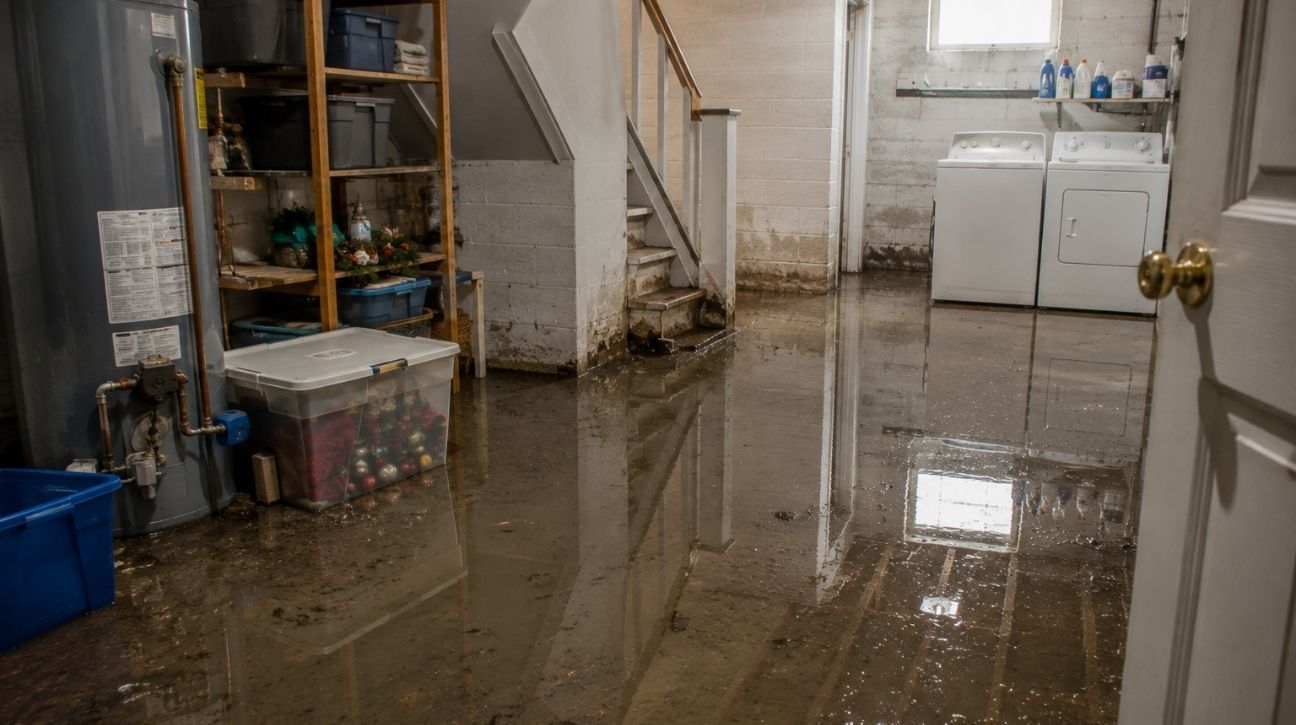
This is the single most expensive mistake New York homeowners make. Standard homeowners insurance does not cover flood damage. Period. Not from storm surge, not from rising rivers, not from overwhelmed sewers. You need a separate flood policy through the National Flood Insurance Program (NFIP) or a private flood insurer.
NFIP policies cap at $250,000 for dwelling coverage and $100,000 for contents. If your home is worth more than that, you'll want excess flood coverage from a private carrier. One critical detail: there's a 30-day waiting period before a new NFIP policy takes effect. You can't buy coverage the week before a storm and expect it to pay out. The time to act is now, before any storm is on the radar.
Comparison: Standard Homeowners vs. Flood Insurance Coverage
| Coverage Area | Standard Homeowners Policy | Flood Insurance (NFIP) |
|---|---|---|
| Wind damage to roof/siding | Covered | Not covered |
| Storm surge flooding | Not covered | Covered |
| Rainwater entering through wind-damaged roof | Covered | Not covered |
| Basement flooding from rising water | Not covered | Limited coverage |
| Dwelling coverage limit | Varies by policy | $250,000 max |
| Contents coverage | Included | Separate purchase required |
| Loss of use / hotel costs | Covered | Not covered |
| Deductible type | Percentage (hurricane) or flat | Flat deductible |
This table highlights why you often need both policies working together. Wind damage and flood damage from the same storm can trigger two completely separate claims under two different policies.
Essential Home Fortification Checklist
Insurance is your financial safety net, but physical preparation reduces the likelihood you'll need to file a claim at all. Even small improvements can make a measurable difference in how your home weathers a storm.
Start inside. Know where your main water shutoff valve is. Test your sump pump if you have one, and consider a battery backup unit since power outages during hurricanes are almost guaranteed. Check that your attic vents are secure, as wind-driven rain can enter through poorly sealed vents and cause extensive interior damage that's difficult to trace back to a specific entry point.
Exterior Reinforcements and Landscaping
- Trim dead branches and remove any trees that lean toward your home or power lines. Falling trees are among the most common hurricane damage claims in suburban New York.
- Install hurricane straps or clips connecting your roof to the wall framing. This costs a few hundred dollars and dramatically reduces the chance of losing your roof.
- Secure or store outdoor furniture, grills, and decorations. In 70+ mph winds, a patio chair becomes a projectile.
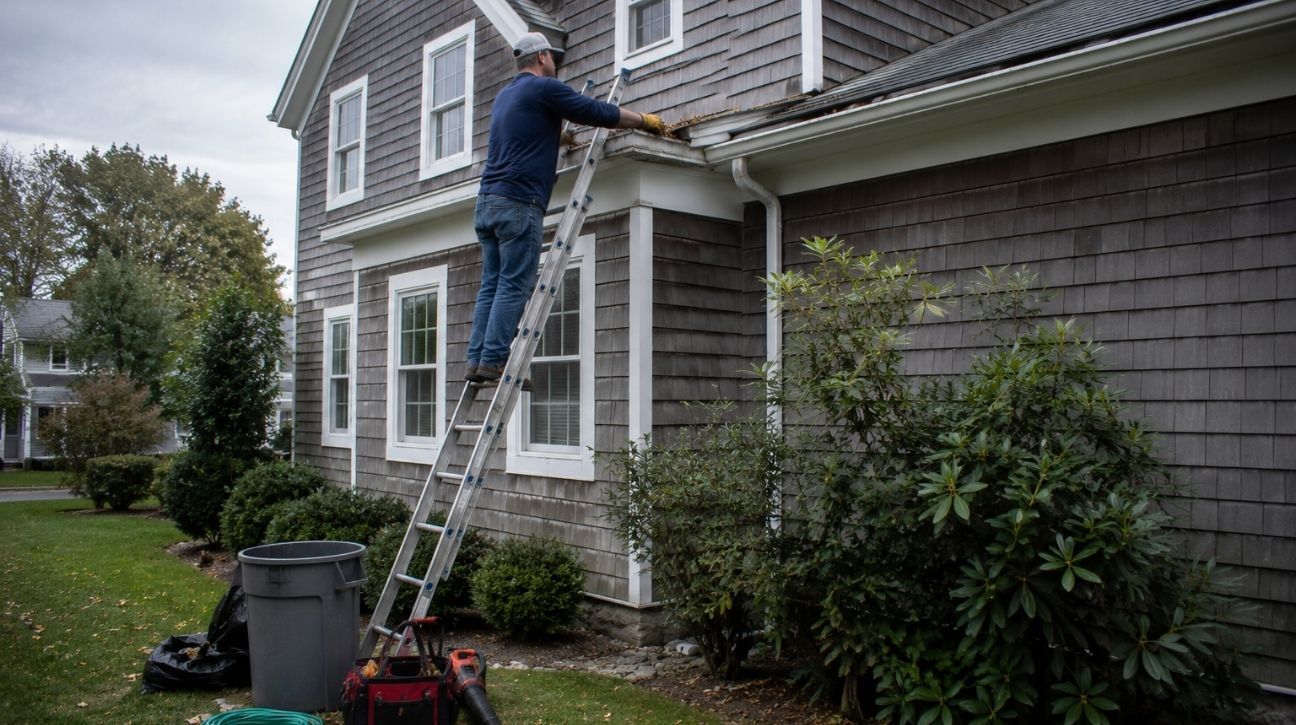
- Clear gutters and downspouts so water drains away from your foundation. Clogged gutters cause water to pool near the base of your home, increasing basement flooding risk.
- Consider impact-resistant window film or storm shutters for large windows, especially those facing east or southeast.
Your landscaping matters more than you might think. Dense hedgerows can act as windbreaks, but tall ornamental trees with shallow root systems (like Bradford pears) are liabilities in high winds.
Creating a Digital Home Inventory
If you do file a claim, your insurer will ask you to prove what you owned and what it was worth. A digital home inventory makes this process dramatically easier and faster.
Walk through every room with your phone camera. Record video of your belongings, open closets and drawers, and narrate the approximate value and purchase date of significant items. Save receipts for electronics, jewelry, and appliances in a cloud folder. Upload everything to a cloud service or email it to yourself so it's accessible even if your home is damaged. The New York Department of Financial Services issued disaster preparedness guidance encouraging homeowners to maintain exactly this kind of documentation. It takes about 30 minutes and can save you thousands in disputed claims.
Immediate Steps to Take Before the Storm Hits
Once a hurricane watch or warning is issued for your area, you have a narrow window to act. Here's what to prioritize in those final 24 to 48 hours:
- Review your insurance policy one last time. Confirm your deductible amounts and your agent's emergency contact number.
- Fill bathtubs and large containers with water for flushing toilets and basic sanitation if water service is interrupted.
- Charge all devices and portable battery packs. Download your insurance company's claims app if they have one.
- Move vehicles to higher ground if you're in a flood-prone area. Comprehensive auto insurance covers flood damage, but only if you have that coverage on your policy.
- Photograph the exterior of your home from all four sides. This "before" documentation is invaluable if you need to prove storm damage versus pre-existing wear.
- Secure important documents (deed, insurance policies, IDs) in a waterproof bag you can grab quickly.
Don't wait for a mandatory evacuation order to prepare. By the time one is issued, stores are picked clean and contractors are booked solid.
Common Questions About NY Hurricane Insurance
Does my standard policy cover water damage from a storm surge?
No. Storm surge is classified as flooding, and flood damage requires a separate flood insurance policy. Your homeowners policy covers wind damage and rain entering through wind-created openings, but not rising water from any source.
How do I know if I have a separate hurricane deductible?
Check your declarations page under "deductibles." If you see a percentage listed next to "hurricane," "windstorm," or "named storm," that's your hurricane deductible. It's calculated as that percentage of your dwelling coverage limit, not a flat dollar amount. The insurance industry has pushed for clearer disclosure on these deductibles, but the responsibility still falls on you to read your policy.
Can I buy a flood policy the day before a hurricane is named?
You can purchase one, but it won't help you for that storm. NFIP policies have a standard 30-day waiting period before coverage begins. Some private flood insurers offer shorter waiting periods, but most won't bind new coverage once a tropical system is actively threatening the region.
Will insurance pay for a hotel if my home is unlivable after a storm?
Your homeowners policy typically includes "loss of use" or "additional living expenses" coverage, which pays for temporary housing, meals, and other costs if your home is uninhabitable. This coverage usually has a sublimit, so check your policy for the maximum amount. Flood insurance through the NFIP does not include loss of use coverage.
Your Next Steps for a Safer Season
Preparing your New York home for hurricane season comes down to two parallel tracks: making sure your property can physically withstand a storm and making sure your insurance will actually pay when you need it. Neither one works without the other. A fortified home with inadequate coverage still leaves you financially exposed, and a great policy on a poorly maintained home means a bigger claim and a longer recovery.
Start this week. Review your policy, call your agent about flood coverage, and spend an afternoon on your home inventory and exterior checklist. The New York DFS disaster preparedness circular offers additional guidance worth reading. These aren't tasks you can cram into the 48 hours before a storm makes landfall. The homeowners who recover fastest are the ones who prepared months in advance. Be one of them.
Recent Posts