Electric Vehicle Insurance in New York: A Guide for EV Owners
See How We're Different
or call us: 845-942-7200
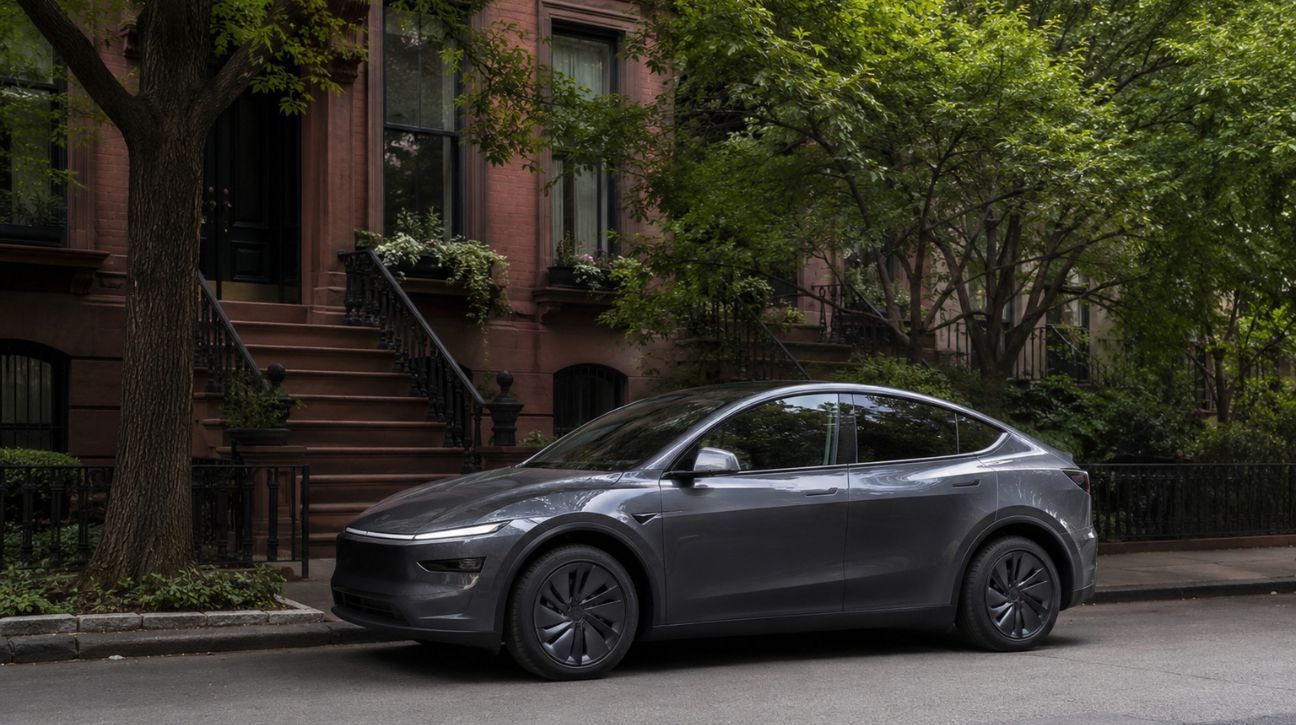
Owning an electric vehicle in New York comes with a unique set of insurance considerations that gas-powered car owners never think about. Between the state's no-fault insurance system, sky-high repair costs for EVs, and wildly different premiums depending on whether you park in Manhattan or Saratoga Springs, there's a lot to sort through. New York already ranks among the most expensive states for auto insurance, and EV owners often face even steeper bills. A Tesla Model Y bumper repair can run $4,000 or more because of embedded sensors and cameras, and that cost flows directly into your premium. The good news: New York's recent legislative reforms and growing competition among insurers are creating new opportunities to save. Whether you drive a Tesla Model 3, a Rivian R1S, or a Hyundai Ioniq 6, understanding how EV insurance works in New York is essential to protecting your investment without overpaying. This guide breaks down state requirements, premium factors, coverage options, and practical strategies to keep your costs manageable.
Understanding New York State Insurance Requirements for EVs
New York doesn't have separate insurance mandates for electric vehicles. Your EV is subject to the same insurance requirements as any other registered passenger vehicle in the state. That said, the structure of New York's insurance system creates specific implications for EV owners that are worth understanding before you shop for a policy.
New York's No-Fault Insurance Laws
New York is one of roughly a dozen states operating under a no-fault insurance framework. This means your own insurer pays for your medical expenses and lost wages after an accident, regardless of who caused it. Every New York driver must carry Personal Injury Protection, commonly called PIP, with a minimum of $50,000 in coverage.
For EV owners, the no-fault system means your PIP claim is handled by your own carrier, but it doesn't cover damage to your vehicle. That's where collision and comprehensive coverage become critical, especially given the high repair costs associated with EVs. New York's no-fault system also includes a "serious injury" threshold: you can only sue the other driver if your injuries meet specific criteria, which limits your ability to recover additional damages through litigation.
Minimum Liability Limits for NY Drivers
New York mandates minimum liability limits of 25/50/10: that's $25,000 per person for bodily injury, $50,000 per accident, and $10,000 for property damage. You're also required to carry Supplementary Uninsured/Underinsured Motorist coverage, known as SUM, at the same 25/50 level.
These minimums are dangerously low for EV owners. If you cause an accident and the other driver's vehicle sustains $40,000 in damage, your $10,000 property damage limit leaves you personally liable for the remaining $30,000. Most insurance professionals recommend at least 100/300/50 limits, and an umbrella policy on top of that if you own a high-value EV like a Tesla Model S Plaid or a BMW iX M60.
Factors Affecting Electric Vehicle Premiums in NY
Your EV premium isn't just about the car itself. New York's geography, population density, and repair infrastructure all play significant roles in what you'll pay.
Battery Replacement Costs and Repair Complexity
The single biggest factor driving EV insurance costs upward is repair expense. A battery pack replacement on a Tesla Model 3 can cost between $13,000 and $20,000 depending on the variant. Even minor fender benders can total an EV because the battery housing sits along the vehicle's floor, and structural damage near the pack often means the entire unit needs replacement.
Specialized labor compounds the problem. Not every body shop in New York is certified to work on high-voltage EV systems, and the ones that are charge premium rates. A standard collision repair that might cost $2,500 on a Honda Civic can easily exceed $6,000 on a comparable EV. Insurers price this reality into your premium.
Impact of Local Geography and Population Density
Where you garage your EV in New York matters enormously. Drivers in the five boroughs of New York City pay roughly 50-75% more for auto insurance than drivers in upstate communities like Syracuse or Albany. Congestion, higher accident frequency, and vehicle theft rates in urban areas all contribute.
Even within the metro area, your ZIP code creates dramatic differences. Parking a Tesla in the Bronx versus Westchester County can mean a $1,500 or more annual premium gap. The state's recent insurance fraud and litigation reform package enacted in the FY27 budget is estimated to lead to a 10% reduction in premiums statewide, which should offer some relief, particularly in fraud-heavy urban areas.
Essential vs. Optional Coverage for EV Owners
Comparison of Standard vs. Specialized EV Coverage
Standard auto policies cover your EV the same way they'd cover any car: liability, collision, comprehensive, PIP, and SUM. But standard policies often fall short in areas specific to electric vehicles.
Specialized EV coverage options can include battery degradation protection, coverage for your home charging station (Level 2 chargers and electrical panel upgrades can cost $2,000-$5,000 to install), and roadside assistance tailored to EVs, such as flatbed towing instead of traditional tow trucks, which can damage EV drivetrains. Some carriers also offer agreed-value coverage, which guarantees a payout based on a pre-set value rather than the depreciated actual cash value. This matters because EVs depreciate differently than gas cars, and a totaled two-year-old EV can leave you underwater on your loan if you only have standard ACV coverage.
EV Coverage Comparison: Standard vs. Enhanced
Comparison Table: Standard Auto vs. Specialized EV Policy
| Coverage Feature | Standard Auto Policy | Specialized EV Policy |
|---|---|---|
| Liability (BI/PD) | Included (state minimums) | Included (often higher defaults) |
| Collision | Covers vehicle damage | Covers vehicle + battery housing |
| Comprehensive | Theft, weather, vandalism | Same + battery fire/thermal event |
| Battery Coverage | Limited to collision/comp | Dedicated battery replacement |
| Charging Equipment | Not covered | Home charger + installation covered |
| Roadside Assistance | Standard towing | Flatbed tow + mobile charging |
| OEM Parts | Aftermarket parts allowed | OEM parts guaranteed |
| Rental Car | Standard ICE rental | EV rental replacement available |
| Gap/Agreed Value | Rarely included | Often available as add-on |
The cost difference between standard and specialized EV coverage typically runs 10-20% higher for the specialized policy. But a single claim involving your battery pack can justify years of that premium difference.
How to Lower Your EV Insurance Costs
New York EV owners aren't stuck paying top dollar. Several concrete strategies can bring your premium down significantly.
New York Green Vehicle Discounts
A growing number of insurers operating in New York offer green vehicle discounts ranging from 3% to 10% for EVs and plug-in hybrids. These discounts reflect lower fuel costs, fewer moving parts (which can reduce certain claim types), and the environmental profile of the vehicle. Not every carrier advertises these discounts prominently, so you'll need to ask.
Bundling remains one of the most effective savings tools. Combining your auto and homeowners or renters policy with the same carrier typically saves 15-25%. If you've installed a home charging station, some carriers will bundle that equipment under your homeowners policy rather than requiring a separate rider on your auto policy.
Completing a New York State-approved defensive driving course knocks 10% off your premium for three years. The course also removes up to four points from your driving record. For a Tesla owner in Brooklyn paying $4,000 annually, that's $400 per year in savings for a six-hour online course.
Utilizing Telematics and Safe Driver Programs
Telematics programs, where you install a device or use a smartphone app that tracks your driving behavior, can yield discounts of 10-30% depending on the carrier and your driving habits. New York legislators have pushed for greater transparency around how insurers use telematics data to set pricing, which should give you more clarity about how your data affects your rate.
Tesla's own insurance product uses real-time driving data to calculate a monthly "Safety Score" that directly determines your premium. If you drive smoothly and maintain following distance, you can see meaningful savings. Other telematics programs from major carriers work similarly, though most use a 90-day evaluation period rather than continuous scoring.
One thing to keep in mind: telematics programs can also increase your premium if your driving habits are poor. Hard braking, rapid acceleration, and late-night driving all count against you.
Common Questions About NY Electric Vehicle Insurance
Is insurance more expensive for a Tesla in New York?
Yes, generally. A Tesla Model Y in New York City costs roughly 15-25% more to insure than a comparable gas-powered SUV like a Toyota RAV4. High repair costs, specialized parts, and the vehicle's purchase price all contribute. That said, the gap narrows significantly upstate and with clean driving records.
Does my policy cover my home charging station?
Most standard auto policies don't cover your home charger. It's typically covered under your homeowners or renters policy as an attached structure or personal property. Check with your carrier to confirm, and consider adding a rider if your Level 2 charger and installation cost exceeded $2,000.
Do I get a tax credit for insuring an EV in NY?
No. New York doesn't offer a tax credit specifically for EV insurance. The state does offer EV purchase incentives through the Drive Clean Rebate program, and some insurers offer green vehicle discounts, but these aren't tax credits.
What happens if my battery dies on the Long Island Expressway?
If your EV runs out of charge, standard roadside assistance may send a flatbed to tow you to the nearest charger. Some specialized EV policies include mobile charging units that can deliver enough juice to get you to a station. Without roadside assistance, expect a tow bill of $300-$500 depending on distance.
Does New York require special insurance for hybrid cars?
No. Hybrid vehicles, including plug-in hybrids like the Toyota RAV4 Prime or BMW X5 xDrive50e, follow the same insurance requirements as any other passenger vehicle in New York. Their premiums tend to fall between traditional gas cars and full EVs.
Making the Right Choice for Your New York EV
Electric vehicle insurance in New York requires more thought than simply picking the cheapest quote. The combination of the state's no-fault system, mandatory SUM coverage, and the inherent repair costs of EVs creates a situation where underinsuring yourself can be financially devastating.
Start by raising your liability limits well above the state minimums. Strongly consider specialized EV coverage that includes battery protection and OEM parts guarantees. Shop at least three to four carriers, and ask specifically about green vehicle discounts and telematics programs. New York's recently enacted auto insurance reforms should begin putting money back in drivers' pockets as fraud-related costs decrease, but don't wait for rate reductions to act.
The right policy protects your EV, your finances, and your peace of mind. Get quotes, compare coverage details line by line, and don't let price alone drive your decision. Your EV is a significant investment: insure it like one.
Recent Posts