New York Pet Groomer Insurance Claims: Cuts, Burns, Escapes, Bites, Customer Property, and Incident Documentation
See How We're Different
or call us: 845-942-7200
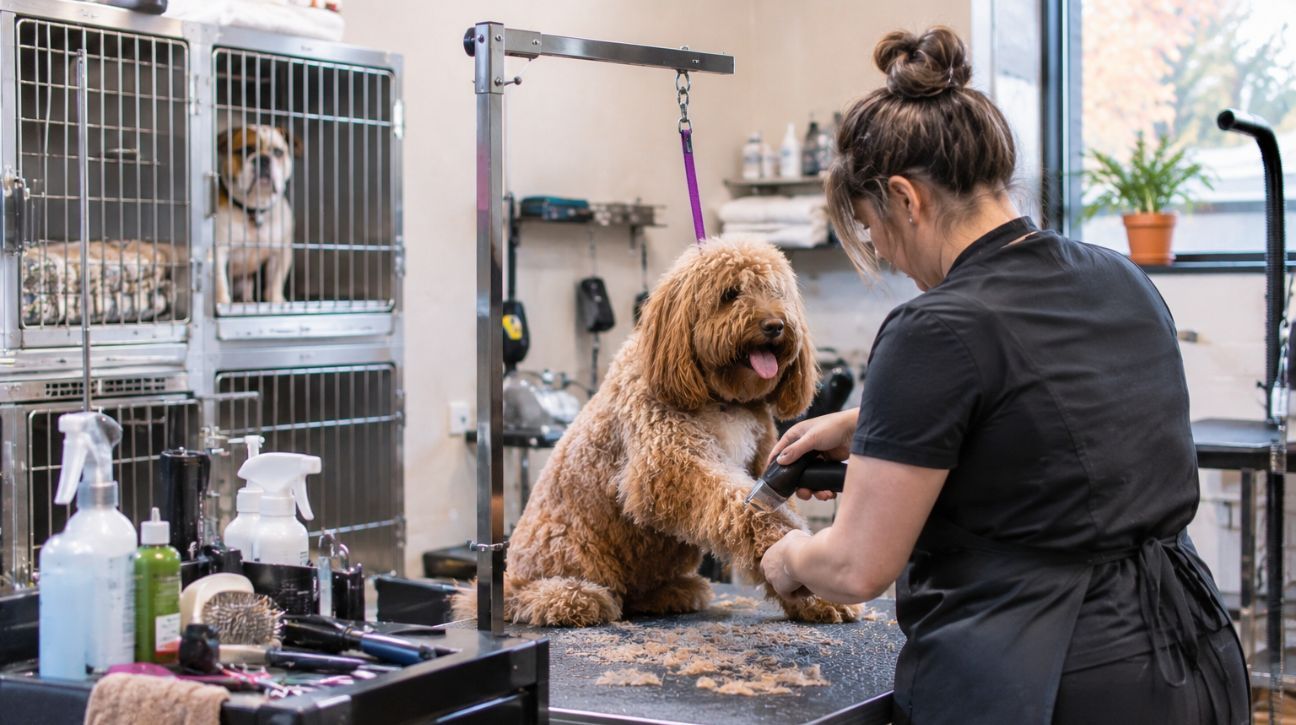
A shih tzu goes home from a Brooklyn salon with a nicked ear that won't stop bleeding. By evening, the owner is posting photos online, and by morning you have a vet bill, a demand letter, and a one-star review. That's how most grooming claims start: small, fast, and expensive before you've had time to think.
The groomers who come out of these situations intact aren't always the ones with the most expensive policy. They're the ones who knew which coverage applied and wrote down what happened while the details were fresh. This guide to New York pet groomer insurance claims walks through the incidents that actually generate payouts: cuts, burns, escapes, bites, and damage to customer property. It also covers the documentation habits that decide whether your claim gets paid smoothly or turns into a month of back-and-forth with an adjuster.
You'll find practical breakdowns of coverage types, a comparison table, and a reporting checklist you can put on your wall today. The goal is simple: fewer surprises when something goes wrong, and a faster path back to normal when it does.
The High Stakes of Pet Grooming in New York
New York is a tough market for groomers. Rents in Manhattan and the inner boroughs squeeze margins, clients treat their dogs like family, and a single viral complaint can drain your appointment book faster than any insurance deductible.
Regulation is also moving. New York State bills S6963 and A1108 remain active in the 2025-2026 legislative session, proposing a statewide registration system and mandatory training for groomers. Neither has become law yet, but you should plan as if formal standards are coming.
Here's what that means for you. If training and registration become mandatory, insurers and plaintiffs' attorneys will start asking whether you met those standards when an incident occurred. Groomers with written procedures, training records, and clean incident files will be in a much stronger position than those running on habit and memory.
Common Physical Injury Claims: Cuts, Nicks, and Burns
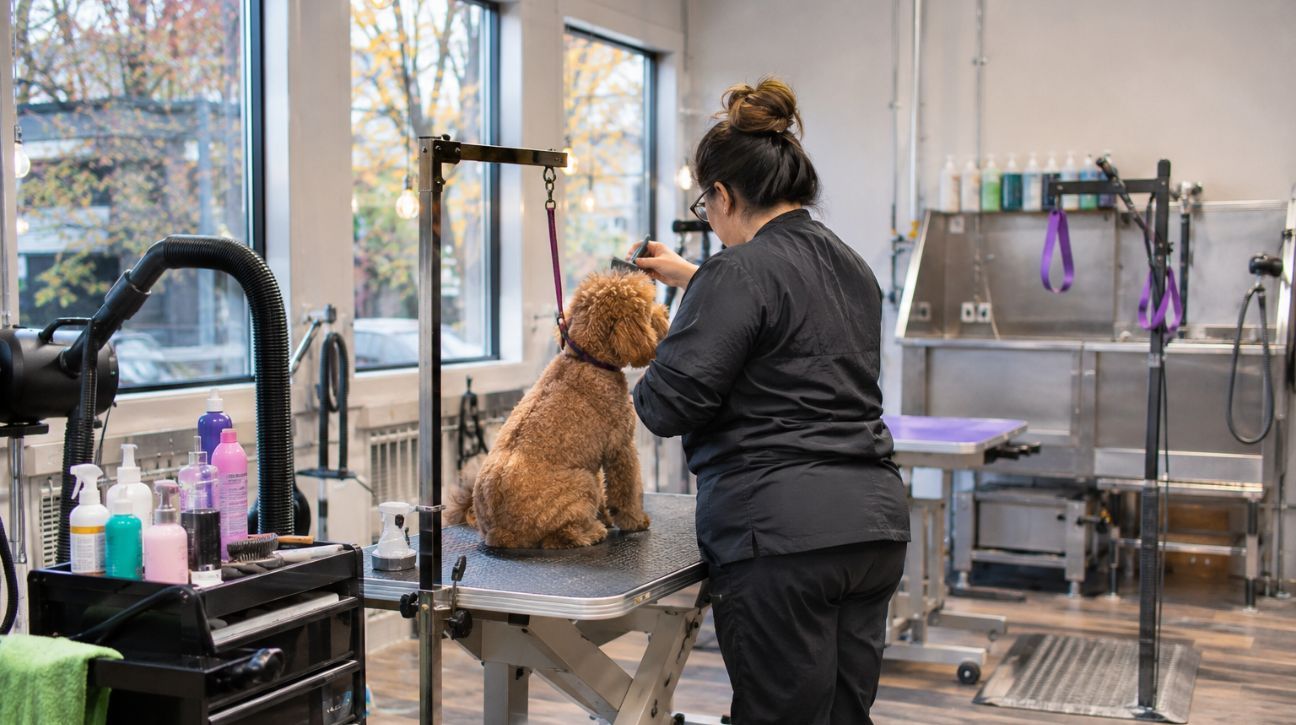
Cuts and nicks are the bread-and-butter claim in grooming. They usually happen around the ears, armpits, paw pads, and sanitary areas, especially on matted coats where skin gets pulled up into the clipper blade. Doodles with pelted coats and squirming terriers are repeat offenders.
Burns come in two forms, and you need to know both:
- Clipper burn: Blades heat up during long sessions. A blade left running too long on a thin-coated dog can cause redness or blistering that shows up hours later.
- Dryer burn: Cage dryers and heated dryers left unattended are a known source of serious injury, including heat stroke in brachycephalic breeds like pugs and French bulldogs.
- Chemical irritation: Wrong shampoo dilution or a reaction to a product can trigger a skin claim that looks like a burn.
The catch is that many of these injuries don't appear until the dog is home. A clean exit photo and a written note that the skin looked normal at pickup can be the difference between a paid claim and a disputed one.
Don'ts for injury prevention:
- Don't leave a dog in a heated cage dryer without checks at set intervals.
- Don't shave severe mats without telling the owner the risks in writing first.
- Don't let a nick go unmentioned at pickup, even a small one.
Managing Escape Risks and Animal Behavior Liability
Escapes and bites sit near the top of the list for frequency in this industry. Both involve animals behaving unpredictably, but they hit your policy in different ways.
When a Pet Escapes Your Care
Most escapes happen during handoffs. The front door opens, an owner fumbles a leash, or a dog slips a collar in the lobby. In New York City, a loose dog can reach traffic within seconds, which turns a lost-pet search into a potential injury or death claim.
Your exposure doesn't end at the dog. If an escaped pet causes a cyclist to crash or bites a passerby, you may face third-party claims stacked on top of the owner's loss.
Practical controls:
- Use a double-door or gated entry so there's always one barrier closed.
- Switch dogs to your own slip lead before the owner's leash comes off.
- Never hand a dog to anyone other than the person listed on the intake form without written permission.
Handling Dog Bites and Aggressive Incidents
Bites to staff and third parties are a frequent source of claims. A bite to your employee is a workers' compensation matter in New York, which requires coverage for most employers. A bite to a customer waiting in your lobby, or to another dog, falls under liability coverage.
The common mistake? Groomers who assume an owner's "he's fine, he's never bitten anyone" protects them. It doesn't. Record known behavior issues at intake, use muzzles when warranted, and refuse service when a dog can't be handled safely. A declined appointment costs you one fee. A serious bite can cost far more.
Understanding Liability: General vs. Professional Coverage
This is where most grooming owners get tripped up. General liability (GL) and professional liability, often written as a care, custody, and control (CCC) or animal bailee endorsement for groomers, cover different things.
General liability handles bodily injury and property damage to third parties. Think of a client who slips on a wet floor in your salon. The problem is that a standard GL policy often excludes damage to property in your care, and legally, the dog on your table is property in your care.
| Incident | General Liability | Animal Bailee / CCC | Workers' Comp |
|---|---|---|---|
| Client slips in lobby | Usually covered | Not applicable | Not applicable |
| Dog cut by clippers | Often excluded | Usually covered | Not applicable |
| Dog escapes, gets hurt | Often excluded | Usually covered | Not applicable |
| Groomer bitten | Excluded | Not applicable | Covered |
| Dog bites lobby visitor | Usually covered | Varies | Not applicable |
Read your actual policy wording. Some carriers bundle bailee coverage into grooming packages, while others sell it separately with low sublimits per animal. If a sublimit is lower than what a purebred dog's vet bill could reach, ask about raising it.
Protecting Customer Property and Your NY Studio
NCustomer property goes beyond the pet itself. Owners leave harnesses, designer collars, coats, carriers, and occasionally medications. Lose a custom leather harness or crack a carrier, and you're facing a small but annoying claim that your GL policy may refuse.
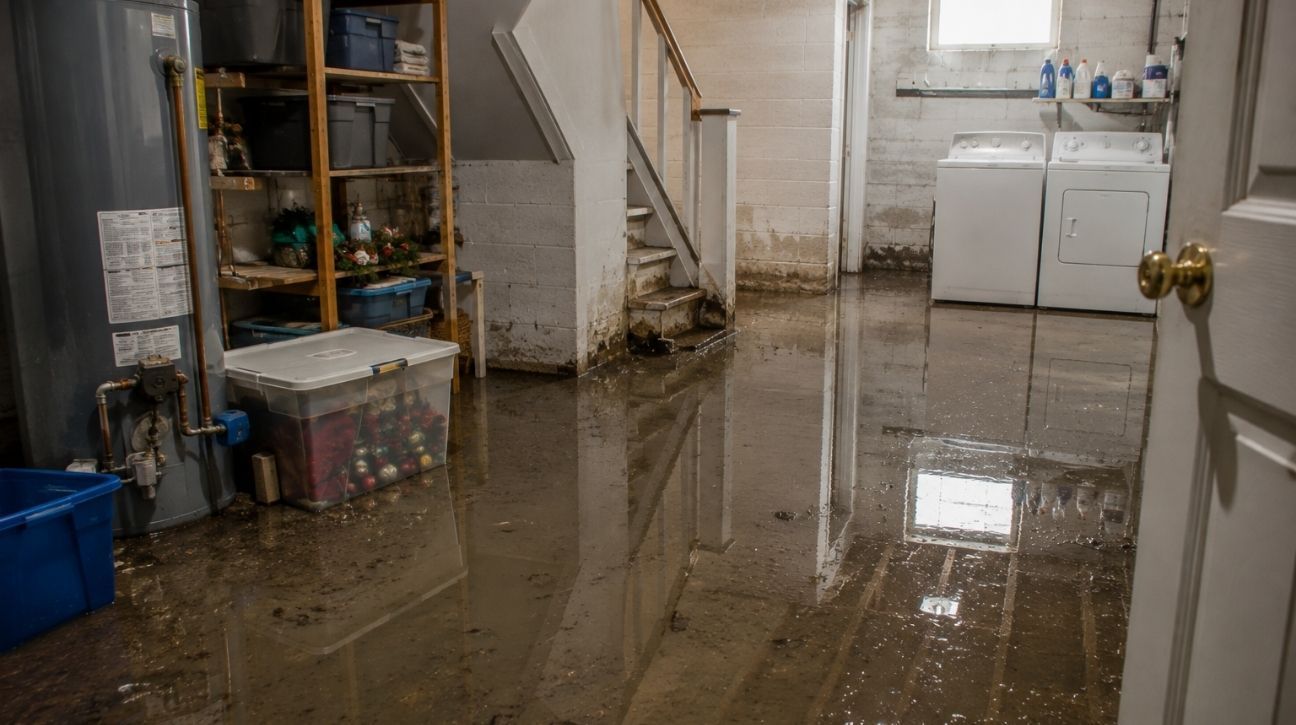
Your own space matters too. A commercial property policy covers equipment like tubs, tables, high-velocity dryers, and clippers against fire, theft, and certain water damage. In older New York buildings, a burst pipe from the apartment upstairs can shut your salon down for days. Business interruption coverage helps replace lost income while you're closed.
For mobile groomers, check whether your commercial auto policy covers the van's built-in equipment, or whether you need an inland marine endorsement. Many owners discover this gap only after a break-in.
Simple habits reduce property disputes. Bag and label every item that arrives with the dog, list it on the intake form, and return it at pickup with the owner's initials.
Best Practices for Incident Documentation and Reporting
Good documentation wins claims. Poor documentation turns a simple nick into a he-said, she-said fight that adjusters hate. Incident reporting is a core administrative process for any pet business, and you should treat it with the same discipline as your appointment book.
Every grooming incident report should include the specific date, time, and location of the event. Professional standards also call for recording the names of all staff members present and the specific pets involved in an incident. Those details create accountability and give your insurer a clear timeline.
Build your report around this checklist:
- When and where: Date, exact time, and which station or area.
- Who: Every staff member present, plus the pet's name, breed, and owner.
- What happened: A factual, step-by-step account with no guessing or blame.
- Condition photos: Intake, the injury itself, and the dog at pickup.
- Response: First aid given, owner notification time, and any vet referral.
- Witness statements: Written and signed the same day.
Many groomers also send a post-visit pet grooming report card noting skin condition, mats, or behavior issues. That record shows pre-existing problems before anyone can claim you caused them.
Don'ts for reporting:
- Don't admit fault or promise payment before talking to your insurer.
- Don't edit reports after the fact. Add a dated addendum instead.
- Don't wait days to notify your carrier. Late reporting is a classic reason claims get delayed.
Frequently Asked Questions About Grooming Insurance
Does general liability cover a dog I accidentally cut? Often it doesn't, because the dog is in your care, custody, and control. You typically need an animal bailee or CCC endorsement for injuries to pets you're grooming.
Do I need workers' comp if I only have one part-time bather? New York requires workers' compensation for most employers, including part-time staff. Check with the state Workers' Compensation Board or your agent about your specific setup.
What if the owner says the injury happened at my salon but I didn't see it? This is exactly why intake and pickup photos matter. Clear records showing the dog's condition at drop-off and pickup give your insurer evidence to work with.
Should I pay a small vet bill myself instead of filing a claim? Sometimes, if it's under your deductible. Still document the incident and tell your agent, since a small issue can escalate into a lawsuit later.
Will the proposed New York groomer bills affect my insurance? They aren't law yet. If registration and training become mandatory, expect insurers to ask about compliance when you apply or renew.
Your Next Steps for Secure Operations
Grooming claims follow predictable patterns. Clipper nicks on matted coats, dryer burns on flat-faced breeds, escapes at the front door, and bites to staff and lobby visitors show up again and again. The groomers who handle them well have the right coverage mix and a paper trail that answers the adjuster's questions before they're asked.
Start this week. Pull out your policy and confirm you have animal bailee coverage with a sublimit that fits the dogs you actually groom. Verify your workers' comp is current. Then print an incident report template, put it at every station, and train your team to fill it out the same day, every time.
With New York regulation possibly shifting, written procedures are no longer optional extras. A well-documented incident file is the most practical tool you have for resolving pet grooming insurance claims quickly and protecting the business you've built.
Recent Posts